
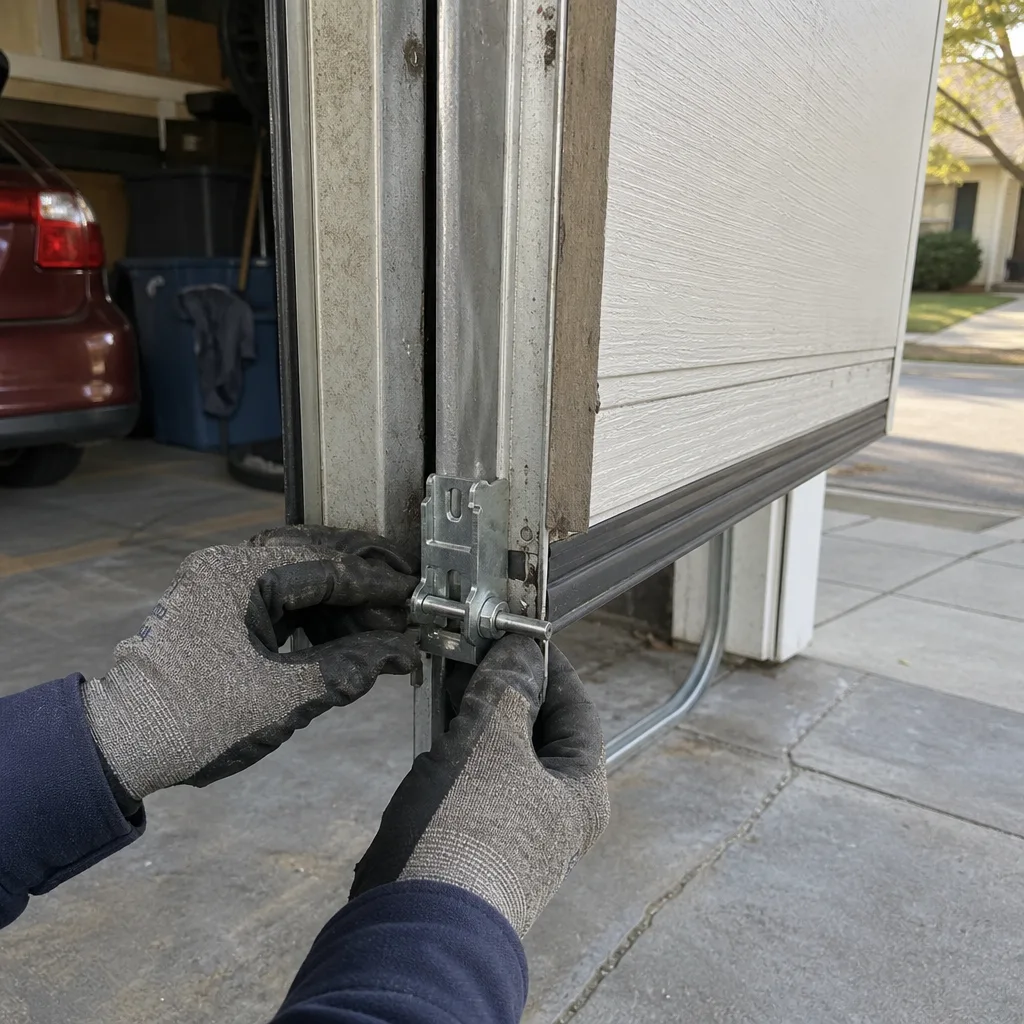
Last updated November 23, 2026
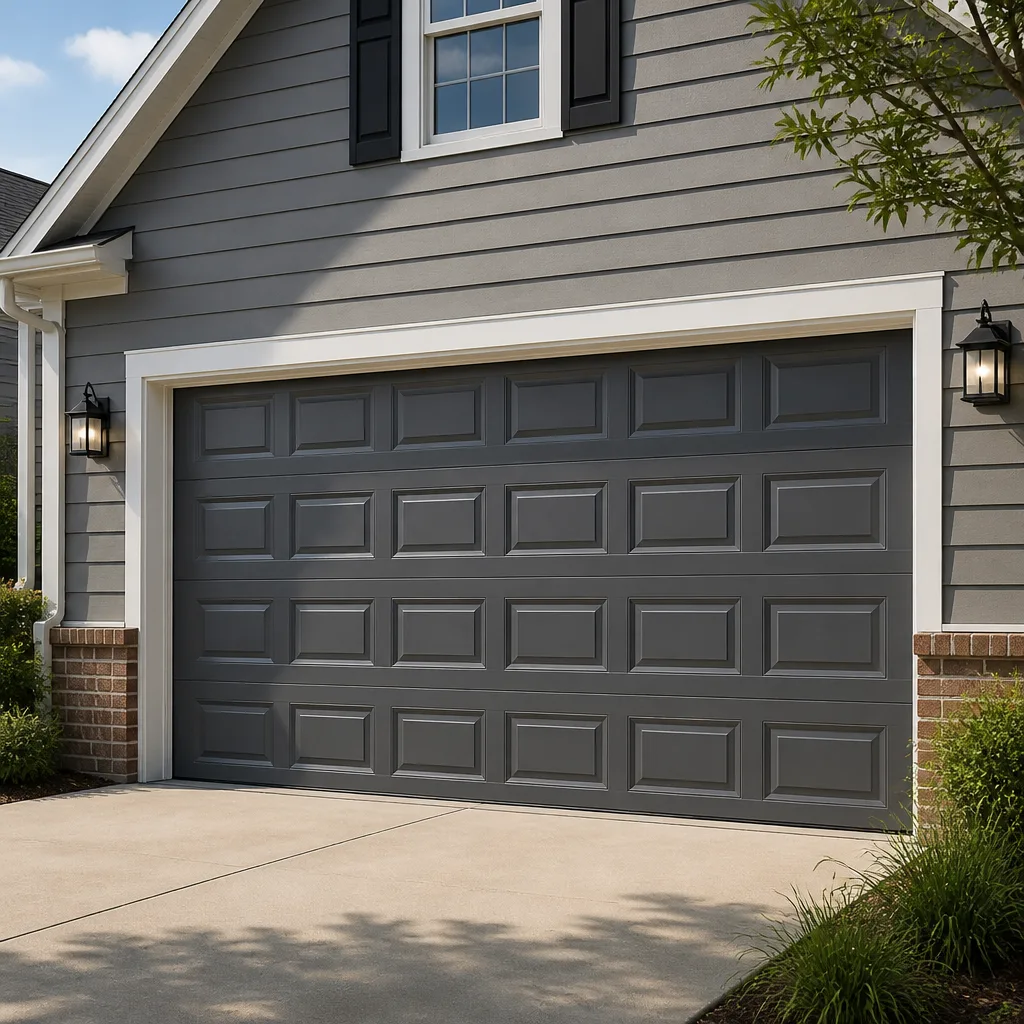 Raised-panel steel
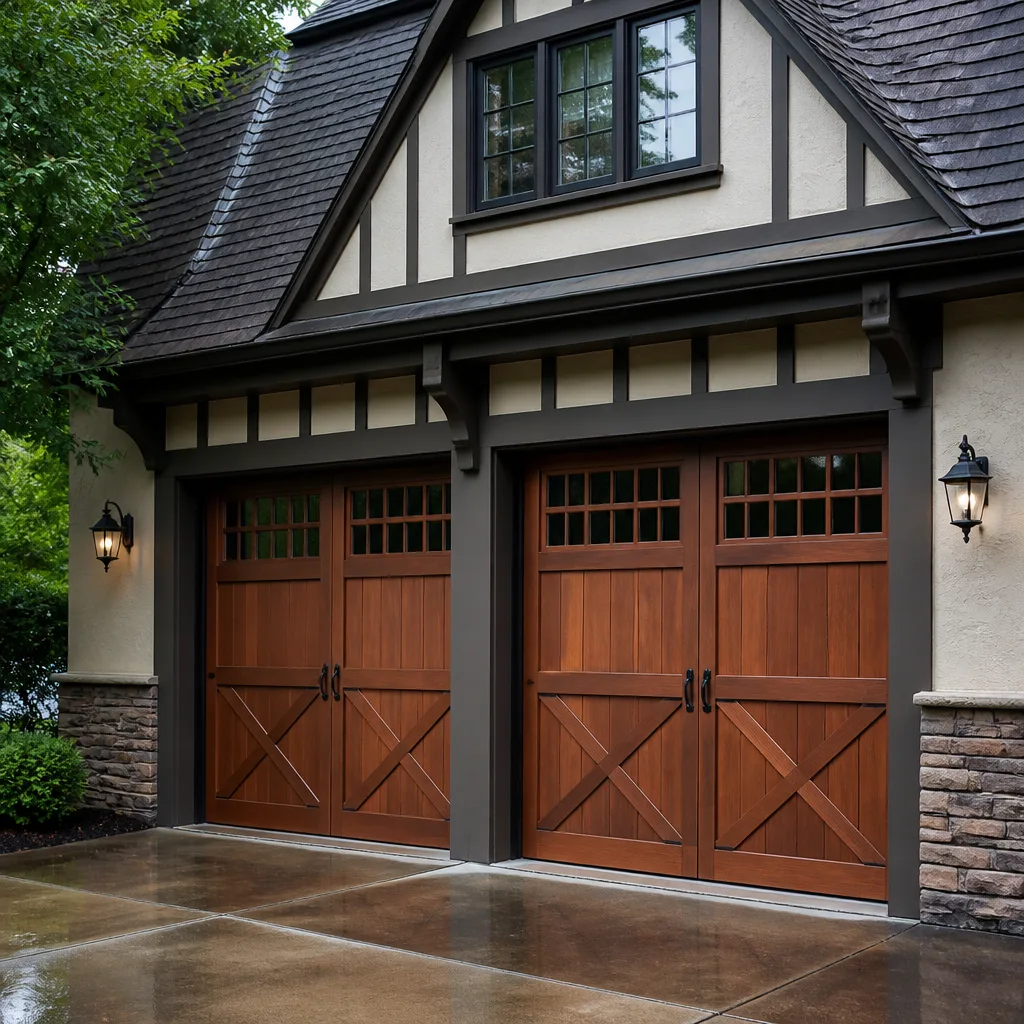 Carriage house
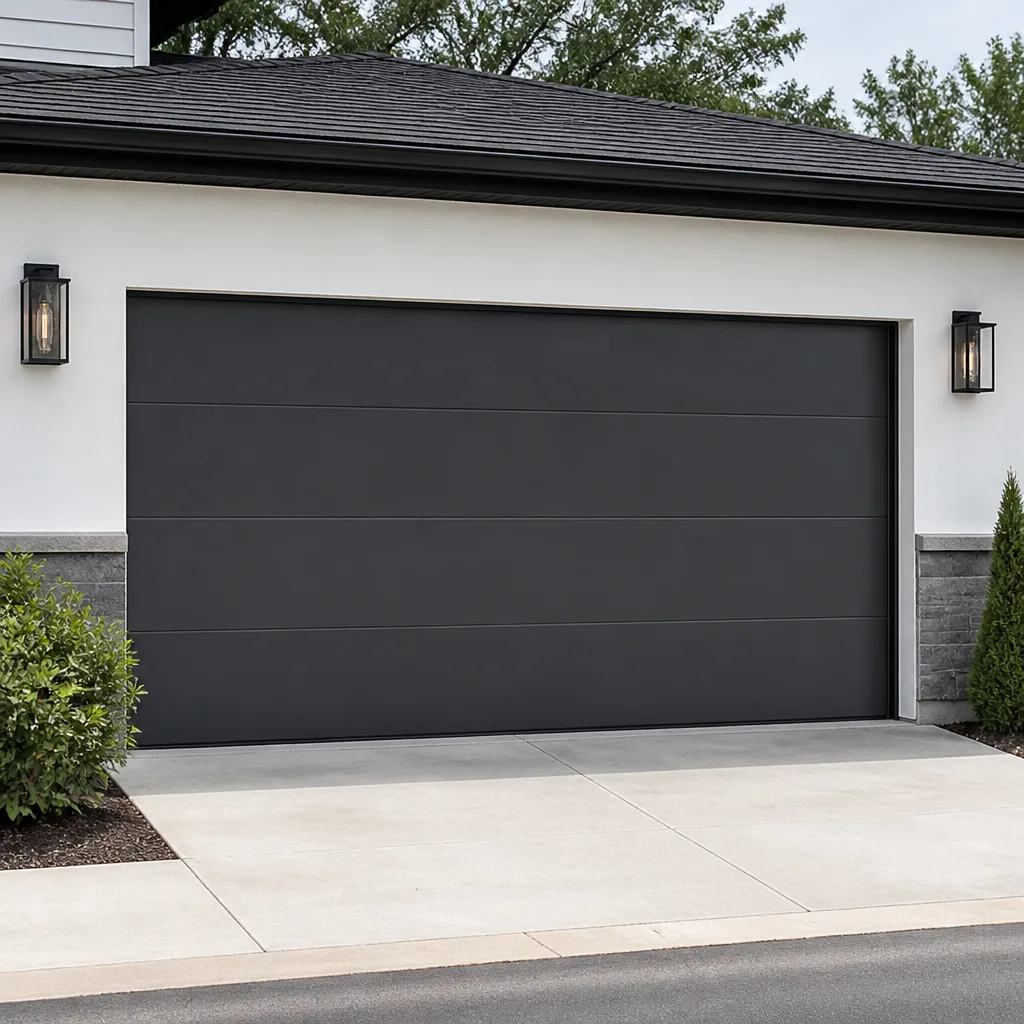 Modern flush
 Full-view glass
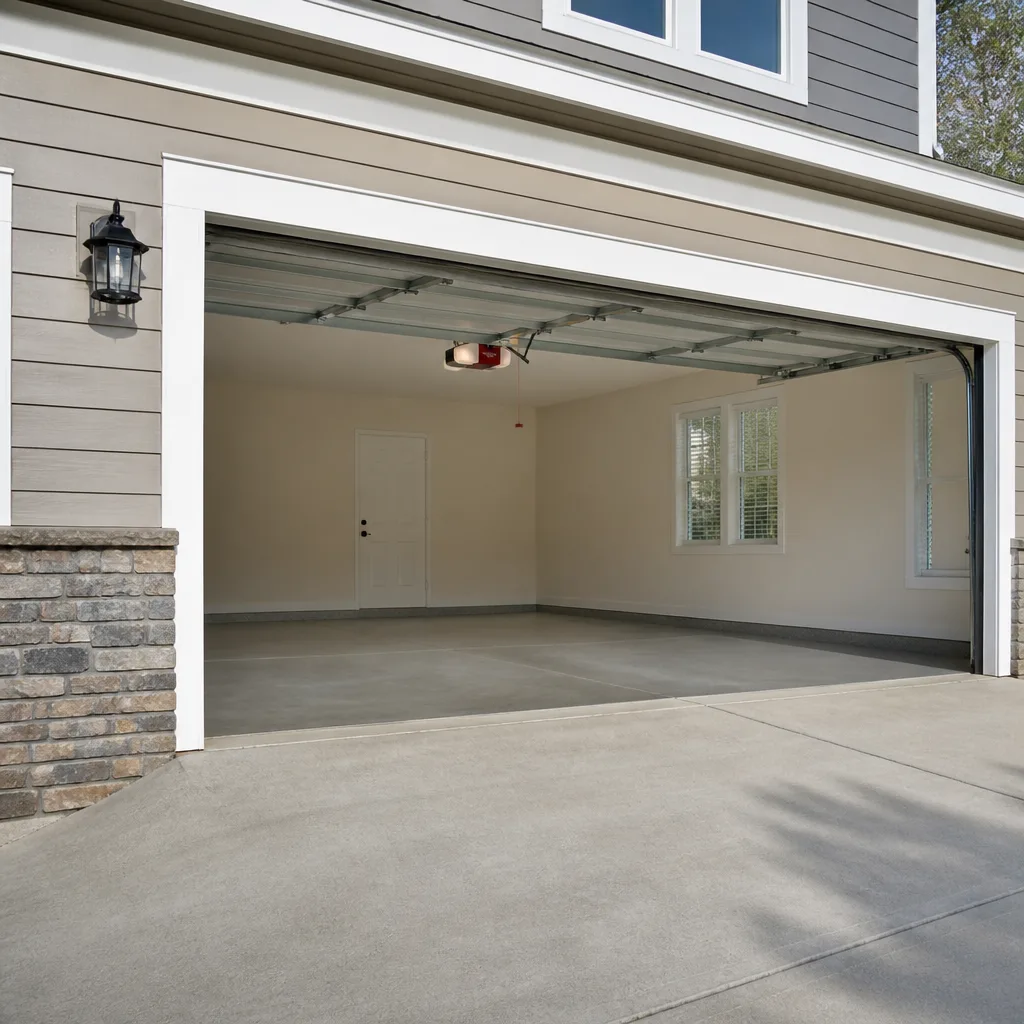 LiftMaster openers
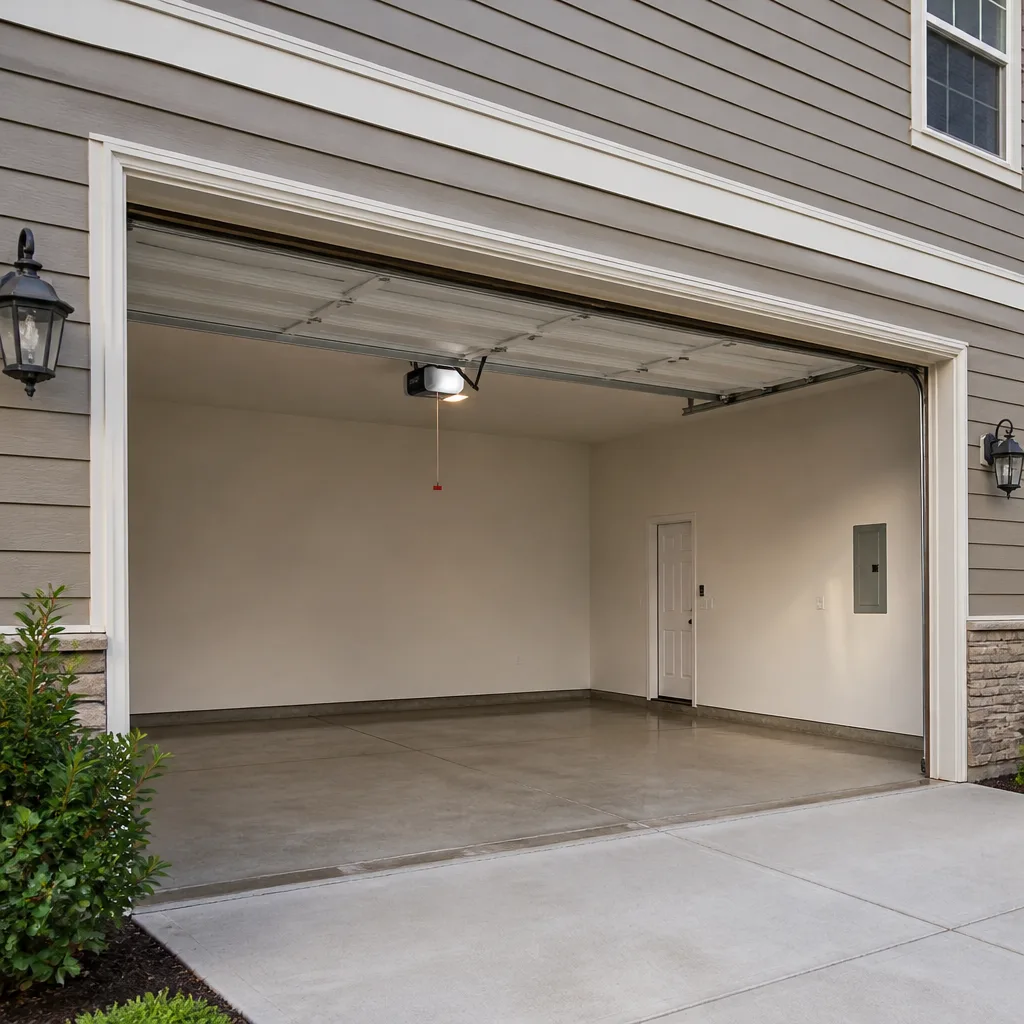 Chamberlain openers
Full 25-point door and opener safety check with every visit - springs, cables, rollers, tracks, and your LiftMaster or Chamberlain opener included
You get a price before we start. It does not change when the pro arrives.
Get your free estimateGarage Door Emergency Preparedness Guide for Chester Homes
Most homeowners think garage door preparedness means keeping a spare spring in the garage. It doesn’t. A spare spring sitting on a shelf won’t help you if you’ve never pulled the manual release cord and don’t know what happens next. The truth is simpler and more useful: a handful of small procedures – three manual operations, two bypass methods, and one structural check – decide whether a failure is a short disruption or a two-day headache. This guide walks Chester homeowners through each one, with the model-specific details that actually matter when the door won’t move and your car is on the other side.
Quick Answer
Emergency garage door preparedness in Chester comes down to knowing your manual release, understanding how to secure a door that won’t stay closed, and having the right information ready before you call for help. When a spring fails or an opener dies, most doors can still be opened by hand – but only if you know which parts to avoid and which release mechanism your opener uses. A few minutes of preparation now saves hours of frustration later.
Styles & brands we work with
- Raised-panel steel
- Carriage house
- Modern flush
- Full-view glass
- LiftMaster openers
- Chamberlain openers
Table of Contents
- How Do You Manually Release a Garage Door?
- Chamberlain vs. Genie: What’s the Difference in Disengagement?
- How Do You Secure a Door That Won’t Stay Closed?
- What Do You Do If Your Car Is Trapped Inside?
- What Should You Have Ready Before You Call for Emergency Service?
- How Do You Weather-Seal a Failed Door in Winter?
- What Happens During a Power Outage?
- Common Mistakes to Avoid
- When to Call a Professional
- Frequently Asked Questions
How Do You Manually Release a Garage Door?
Every residential garage door opener sold in the last several decades includes a manual release – usually a red cord hanging from the carriage assembly that connects the door to the opener rail. Pulling that cord disengages the door from the opener motor, allowing you to lift the door by hand. The procedure sounds simple, and it is, but the conditions matter enormously. If you’ve never pulled the cord before, a dark, cold night with a nor’easter howling outside is not the moment to figure it out.
Here’s the sequence for a typical residential opener:
- Locate the release cord. It hangs from the carriage that rides on the opener rail above the door. Most are red, but some are black or white. If you can’t find it, look along the rail – it may be tucked behind the belt or chain.
- Pull straight down firmly. A single firm pull should disengage the carriage. If it resists, don’t yank repeatedly – check that the door is fully closed first.
- Lift the door slowly by hand. Use the bottom handle or a firm grip on the bottom section. The door should lift with moderate resistance if the springs are intact.
- Prop or secure the door before reaching underneath it. Never work under a door held up only by the opener or by friction.
- Re-engage the carriage by pulling the cord again or by running the opener – depending on the model – once the door is back in the closed position.
In Chester, where older homes often have original equipment and newer construction uses modern openers, knowing which mechanism you have before an emergency is the difference between a quick recovery and a frustrating night. If your door won’t respond, our garage door repair team can walk you through the specifics for your model.
Chamberlain vs. Genie: What’s the Difference in Disengagement?
The manual release mechanism varies by brand, and the two most common families in Chester homes – Chamberlain (which includes LiftMaster) and Genie – use noticeably different designs. Knowing which one you have saves time when the power is out or the opener has failed.
Chamberlain and LiftMaster: Most Chamberlain and LiftMaster openers use a trolley with a spring-loaded release lever. The red cord hangs from this trolley. When you pull the cord, the lever releases the trolley from the rail, and the door moves freely. To re-engage, you typically pull the cord again or run the opener to reconnect the trolley – the exact method depends on the model. Newer models often use a “Smart Garage” control that may require you to cycle the opener once to reset the connection.
Genie: Genie openers often use a different carriage design, sometimes with a release cord that operates a latch rather than a lever. The pull direction and resistance feel different – Genie cords tend to require a more direct downward pull, and the re-engagement process may involve manually sliding the carriage back to the door’s closed position before running the opener.
If you’re unsure which brand you have, check the opener housing – the model name is usually printed on the side or back. Knowing whether you’re working with a Chamberlain or Genie system before you need to release it manually makes the process faster and less stressful. Our technicians work on both brands regularly, along with LiftMaster, Clopay, Amarr, Wayne Dalton, Craftsman, and Raynor.
How Do You Secure a Door That Won’t Stay Closed?
A door that won’t stay closed after a spring failure is a security problem and a weather problem at the same time. The door may be stuck partially open, or it may close and then creep back up because the spring that normally holds it down has broken. Before you do anything, understand this: the cable drum and the cables under tension are dangerous. Never touch them. A snapped cable can whip with enough force to cause serious injury.
Here’s how to secure a door safely:
- Don’t force the door down. If the spring is broken, the door may be heavier than it looks, and forcing it can bend the tracks or damage the panels.
- Use a brace or prop. A length of 2×4 cut to fit between the door and the floor, or a heavy object placed against the bottom section, can hold the door in the closed position temporarily. Make sure it’s secure enough that a gust of wind won’t move it.
- Lock the door if possible. Many doors have a manual lock or a slide bolt that engages the track. If yours does, use it.
- Don’t disconnect the opener if the door is already disengaged. If the carriage is released from the rail and the door is free, the opener can’t help. Keep the door secured manually until a technician arrives.
- Check the photo-eye alignment. If the door stops and reverses immediately, the safety sensors may be misaligned rather than the spring broken. This is a quick fix you can check yourself – look for a blinking light on the sensor near the floor.
If the door is stuck open and you can’t secure it, don’t wait. Chester weather – especially winter wind and rain – can damage an open door and leave your home exposed. That’s the moment to call for garage door spring repair.
What Do You Do If Your Car Is Trapped Inside?
A broken torsion spring with a car inside the garage is one of the most common emergency calls we hear about. The door won’t lift because the spring that counterbalances its weight has snapped, which means the full weight of the door is now on you if you try to lift it manually. Before you attempt anything, estimate the door’s weight class – and be honest with yourself about whether you can manage it.
Here’s how to think through it:
- Identify the door type. A single-car door is usually lighter than a double-car door. Steel doors are typically heavier than aluminum. Insulated doors are heavier than uninsulated. A standard single-car steel door might weigh around 130-150 pounds; a double-car door can be well over 200. If you’re not confident you can safely control that weight, don’t try.
- Check whether the door is partially open. If the door failed while opening, it may be stuck a few feet up. In that case, a car may be able to exit if the opening is wide enough – but only if the door is securely propped and cannot drop.
- Never lift a door with a broken spring unless you have help and a clear plan. The door can come down suddenly. Two people on the bottom handle, lifting together, is the minimum for a lighter door. For heavier doors, wait for a technician.
- Call for emergency service and explain the situation. Tell the dispatcher your car is trapped, the door type, and whether the spring is visibly broken. Call Chester Garage Door Repair Pros at (844) 321-5685 for same-day emergency dispatch.
In our experience, the homeowners who try to force a heavy door by themselves are the ones who end up with a bent track or a damaged panel on top of the spring repair. The safer path is to call and let a technician handle the weight.
What Should You Have Ready Before You Call for Emergency Service?
When you call for emergency garage door service in Chester, the more information you can provide, the faster the dispatcher can send the right technician with the right parts. The three details that matter most are your opener model, your door’s weight class, and the approximate age of the installation.
- Opener model. Look for the brand and model number on the opener housing – usually on the back panel or under the light cover. “Chamberlain B970” tells the dispatcher far more than “a Chamberlain.” Same for Genie, LiftMaster, and Craftsman models.
- Door weight class. Single-car or double-car? Steel, aluminum, or wood? Insulated or uninsulated? This tells the technician what tools and lifting equipment to bring.
- Approximate age of installation. A door installed in the last five years likely uses modern safety features; a door from the 1990s may have different spring types and track configurations.
- What happened. Did you hear a loud bang? Did the door come down hard? Did the opener run but the door didn’t move? Each symptom points to a different failure mode.
- Whether the door is open or closed. This affects both security and the technician’s approach.
Having these details ready before you dial cuts the back-and-forth and gets a technician moving faster. It also helps the dispatcher match you with someone experienced in your specific brand – which matters when you’re dealing with a LiftMaster or Clopay system versus a generic opener.
How Do You Weather-Seal a Failed Door in Winter?
A garage door that won’t close properly in a Chester winter lets cold air, moisture, and possibly snow into the garage. You don’t need specialized equipment to make a temporary seal – most of what you need is already in the garage or the basement.
Here’s a temporary weather-seal approach using common materials:
- Use foam pipe insulation or a pool noodle. Cut to the width of the door opening and wedge it along the bottom edge where the door meets the floor. This blocks the worst of the draft.
- Drape a heavy blanket or tarp over the opening. If the door is stuck partially open, hang a tarp or moving blanket from the top of the opening to the floor, weighted at the bottom. This won’t stop all cold air but it reduces it significantly.
- Seal gaps with weatherstripping or foam tape. If the door is closed but not sealing, check the bottom weather seal. A replacement seal is inexpensive and can be fitted temporarily until a technician addresses the underlying problem.
- Don’t block the door’s path. Keep any temporary materials clear of the tracks and the door’s travel path so the door can be operated safely once it’s repaired.
If the door is stuck open and temperatures are dropping, call for emergency service rather than waiting. Our garage door opener repair team can often resolve the underlying issue the same day.
What Happens During a Power Outage?
Power outages are the most common reason homeowners need their manual release – and the most common reason they discover they don’t know how to use it. A dead opener isn’t a broken door; it’s just a door without a motor. The springs still work, the door still moves by hand, and the manual release is your tool.
Here’s what to do:
- Stay calm and find the release cord. It’s the same cord you’d use for any manual operation. Pull it down firmly to disengage the carriage.
- Lift the door by hand. With intact springs, a well-balanced door should lift with moderate effort. If it feels unusually heavy, the springs may have failed independently of the outage.
- Prop the door open if you need to move the car. Never leave a door propped on a single point of contact. Use two props, one on each side, or a proper brace.
- Re-engage the door when power returns. Pull the cord again or run the opener to reset the carriage. Test the door’s travel and safety reverse before using it normally.
If the door won’t lift even with the release pulled, the problem may be a broken spring rather than a dead opener. In that case, stop and call for help – don’t force it.
Common Mistakes to Avoid
- Pulling the release cord without checking the door’s position. If the door is partially open when you release the carriage, it can come down suddenly. Always close the door fully before pulling the cord.
- Touching the cable drum or cables after a spring failure. The cables are under tension even when the spring is broken. A released cable can cause serious injury. Keep your hands clear and call a technician.
- Assuming a dead opener means a dead door. Many Chester homeowners call for emergency service when the real issue is a tripped breaker or a dead battery in the wall control. Check the power source first.
- Using a ladder to reach the opener without stabilizing it. Falls from ladders are a common garage injury. If you need to check the opener, use a stable step stool, not a chair or a makeshift platform.
- Ignoring a door that reverses immediately. This is usually a photo-eye alignment issue, not a spring problem. Check for a blinking sensor light before assuming the worst.
- Forcing a heavy door by yourself. A double-car insulated door can weigh well over 200 pounds. Two people minimum, or wait for a technician.
- Waiting to secure an open door. An open garage door in a Chester winter invites water damage, frozen pipes in the garage, and security concerns. Secure it first, repair it second.
When to Call a Professional
Some garage door problems are safe to handle yourself: a misaligned photo-eye, a dead remote battery, a door that reverses because the track is dirty. Others are not. Call a professional when a spring is visibly broken, when the door won’t stay closed and you can’t secure it safely, when a car is trapped and the door is too heavy to lift by hand, when the door has come off its track, or when you hear a loud bang from the garage and the door won’t operate. Chester Garage Door Repair Pros offers free estimates in Chester – call (844) 321-5685. We answer 24/7 and offer fast dispatch from 7am to 7pm, Sunday through Friday.
Frequently Asked Questions
Emergency garage door repair in Chester typically ranges based on the specific failure – a spring replacement, opener repair, or track realignment each has its own cost profile. The written estimate you receive before any work begins is the price you pay. Call (844) 321-5685 for a free estimate.
Yes, same-day emergency service is available for time-sensitive failures like trapped vehicles, unsecured doors, and broken springs. Call (844) 321-5685. We answer 24/7 and offer fast dispatch from 7am to 7pm, Sunday through Friday.
No. The price is quoted and agreed before any work starts. If the technician finds something different from what was described on the phone, you’ll get a revised written estimate before proceeding – you’re never surprised by the invoice.
The local professionals we connect you with are licensed and insured as their state requires. Our technicians have up to 14 years of experience working on LiftMaster, Chamberlain, Genie, Clopay, and other major brands.
Don’t touch the cables or the cable drum – they’re under tension and dangerous. Secure the door if you can do so safely, keep clear of the door’s path, and call for spring repair. Call (844) 321-5685 for a free estimate.
Check the opener housing for a battery compartment or a model number that indicates backup capability. Most modern LiftMaster and Chamberlain models include battery backup; older Genie and Craftsman models often don’t. If you’re unsure, call (844) 321-5685 and we can help you identify your model.
The Bottom Line
Emergency garage door preparedness isn’t about stocking spare parts. It’s about knowing your manual release, understanding your opener’s disengagement mechanism, and having a plan for securing a door that won’t stay closed. The three procedures in this guide – manual release, safe securing, and knowing when to stop and call – cover the vast majority of real emergencies Chester homeowners face. Keep your opener model and door details handy, check your photo-eyes seasonally, and don’t force a heavy door by yourself. When in doubt, call (844) 321-5685 for a free estimate. We answer 24/7 and offer fast dispatch from 7am to 7pm, Sunday through Friday.
Written by the team at Chester Garage Door Repair Pros.
See the difference
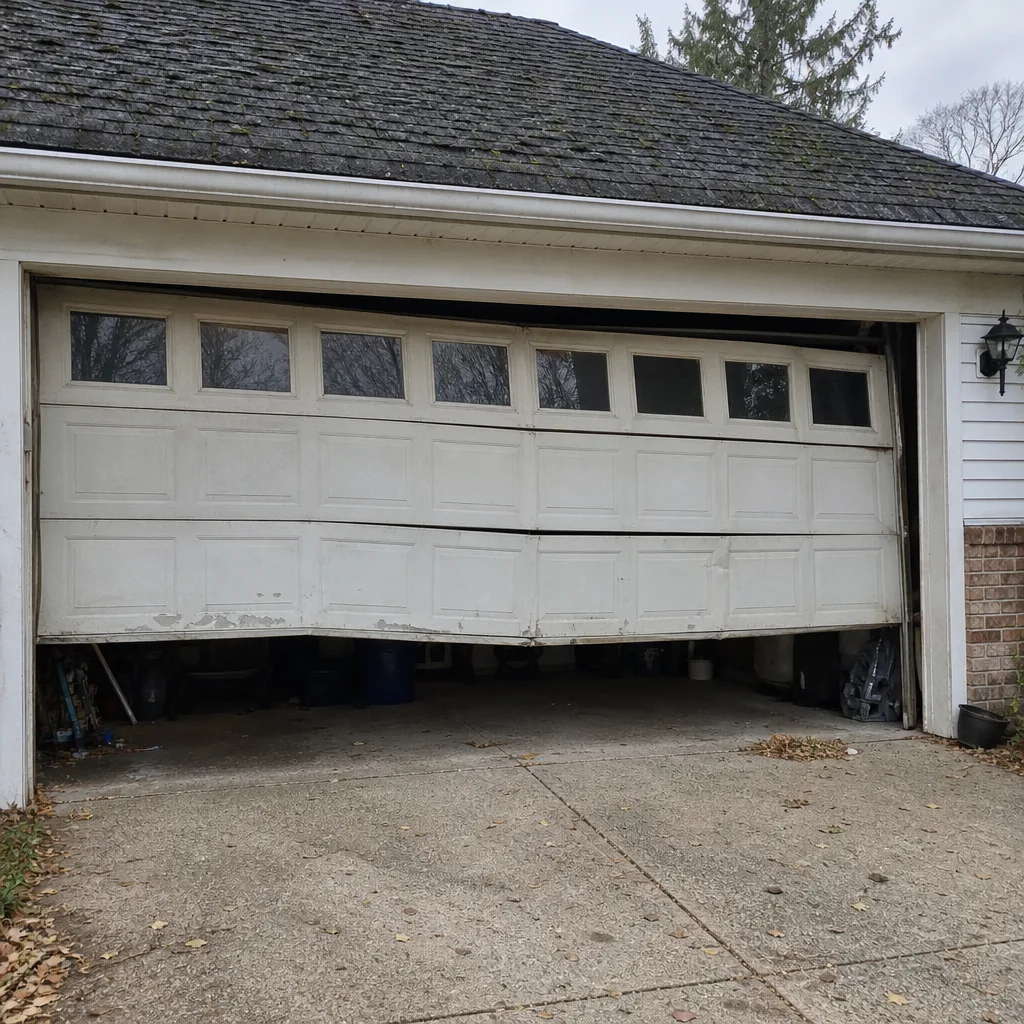 Before
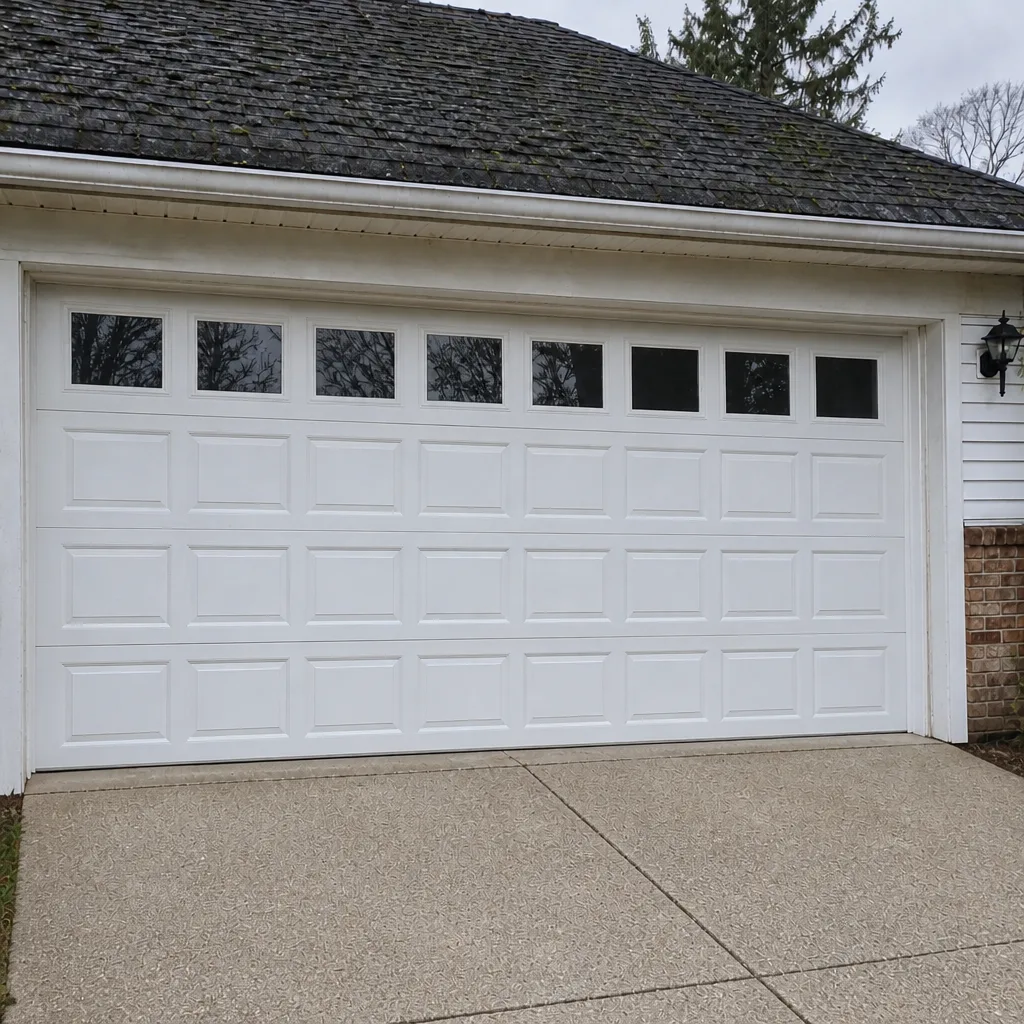 After
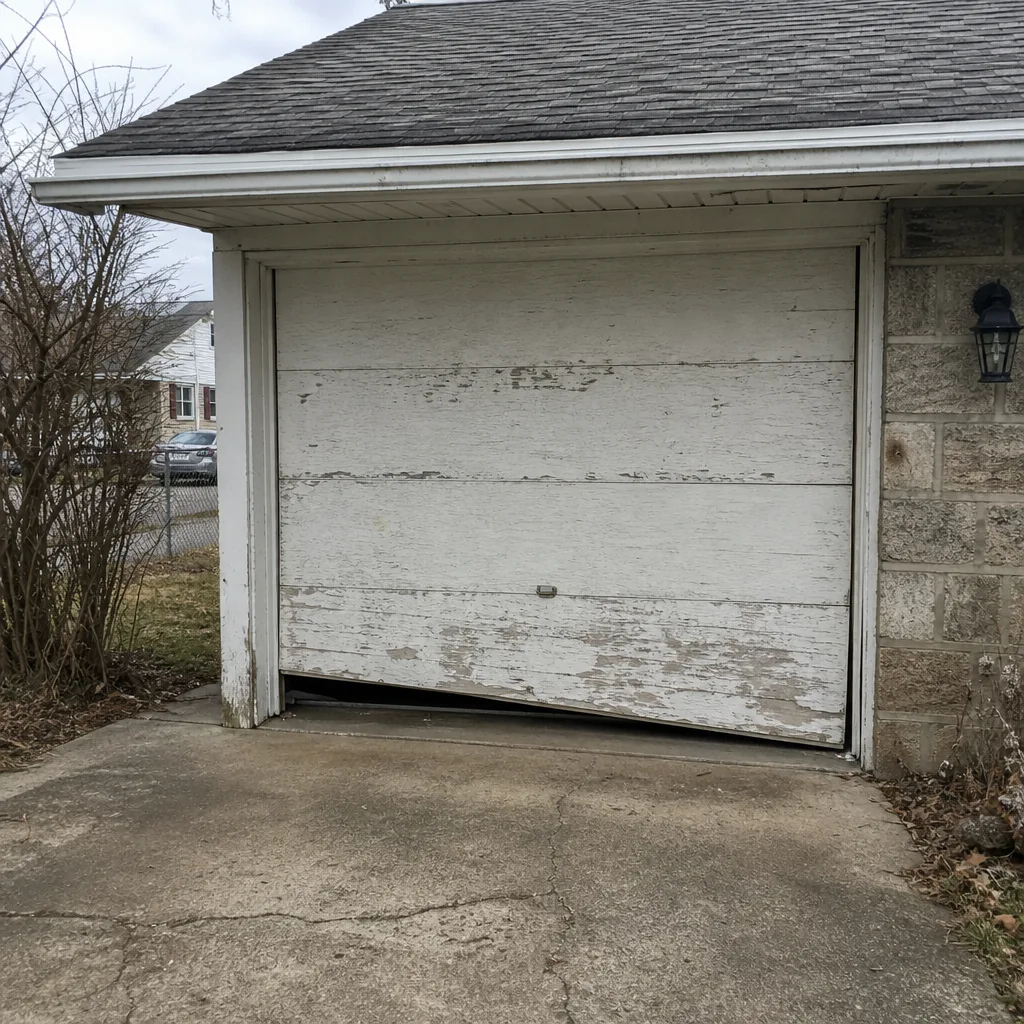 Before
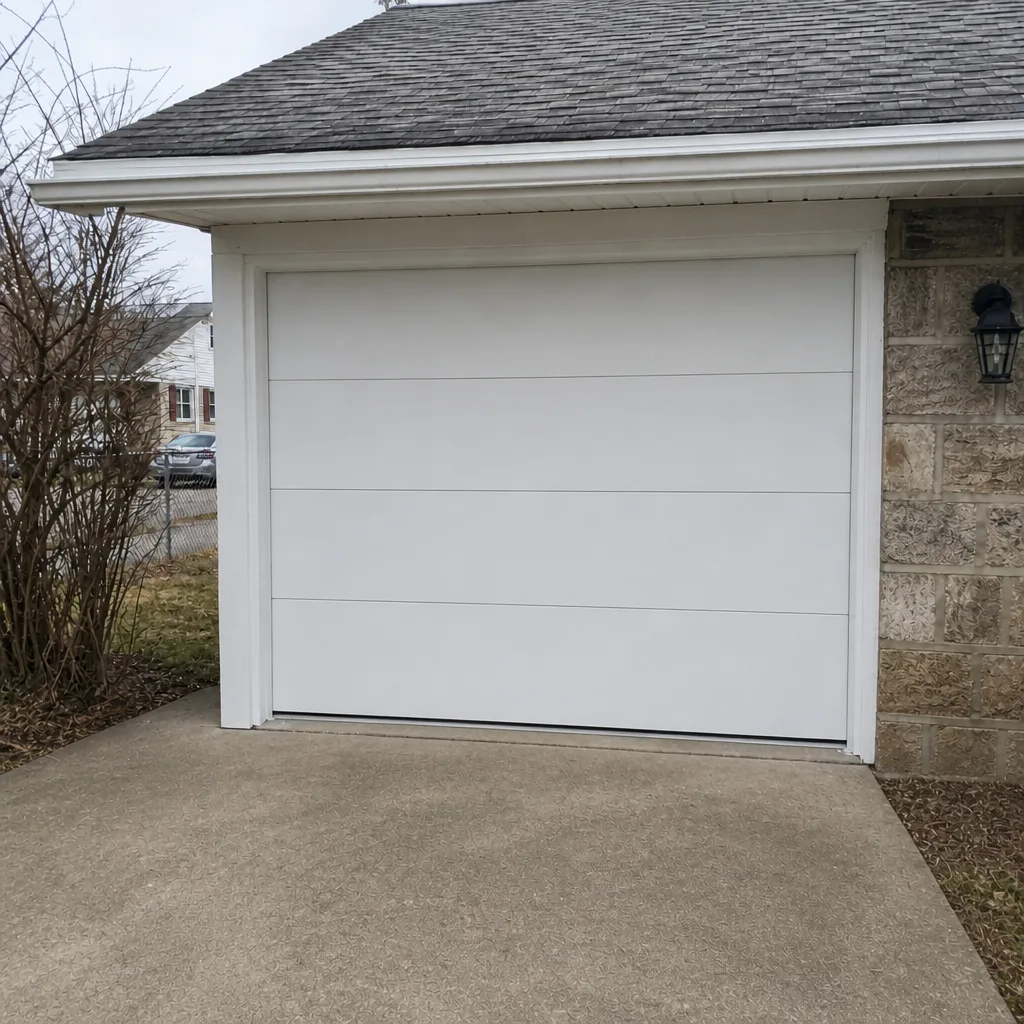 After
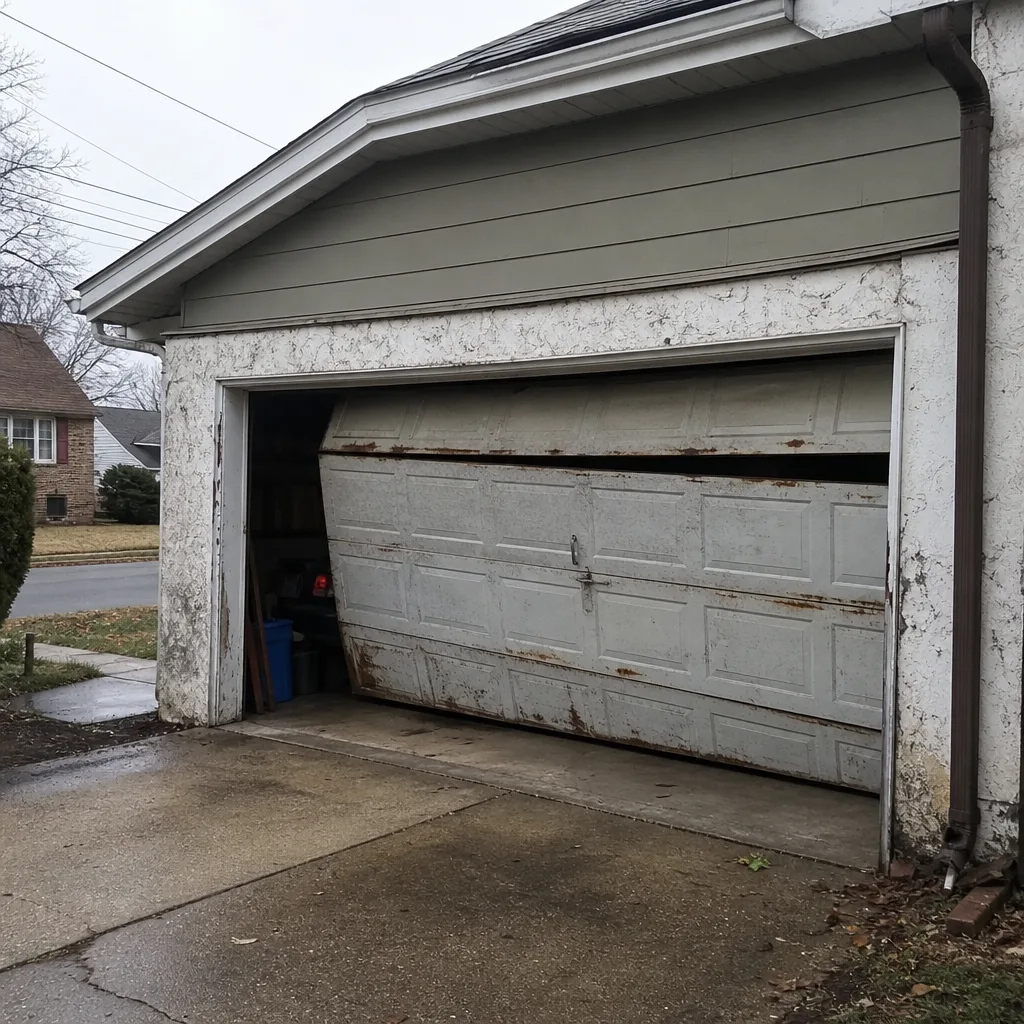 Before
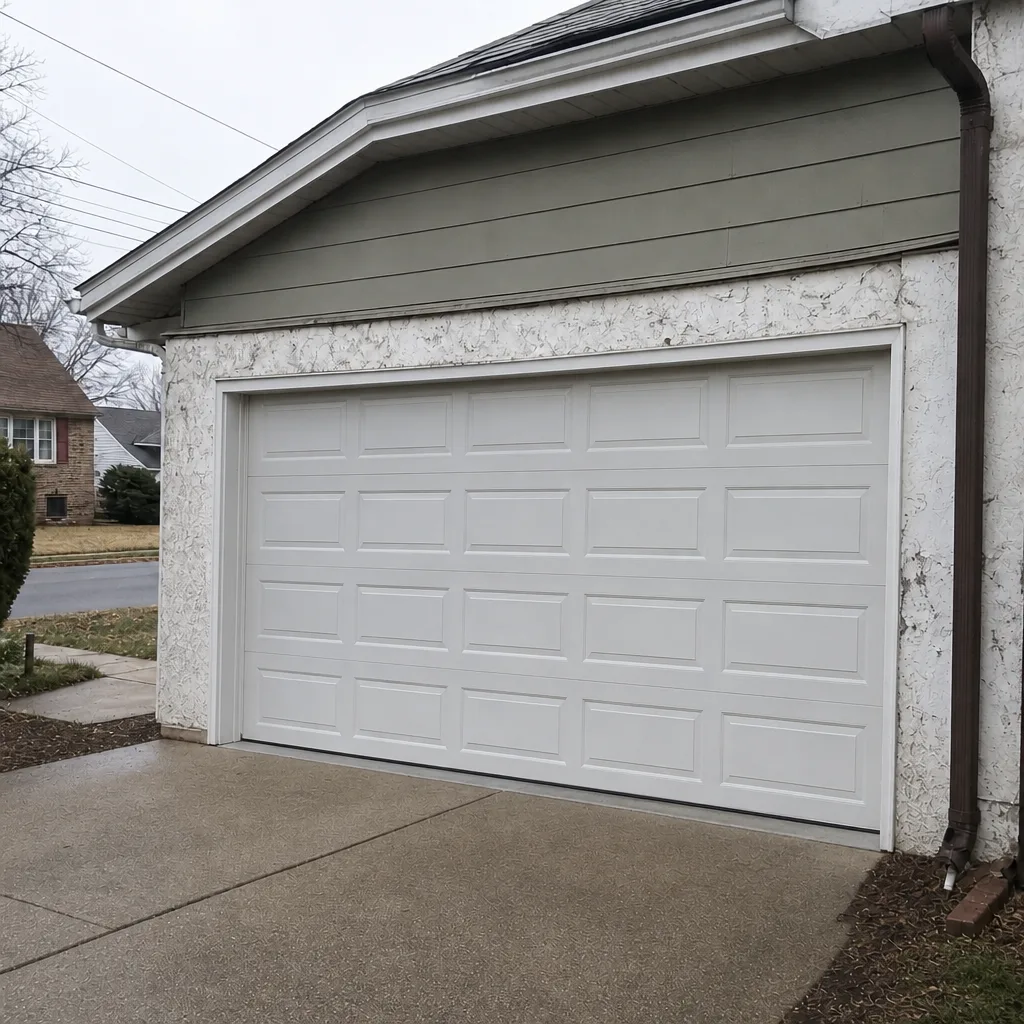 After