
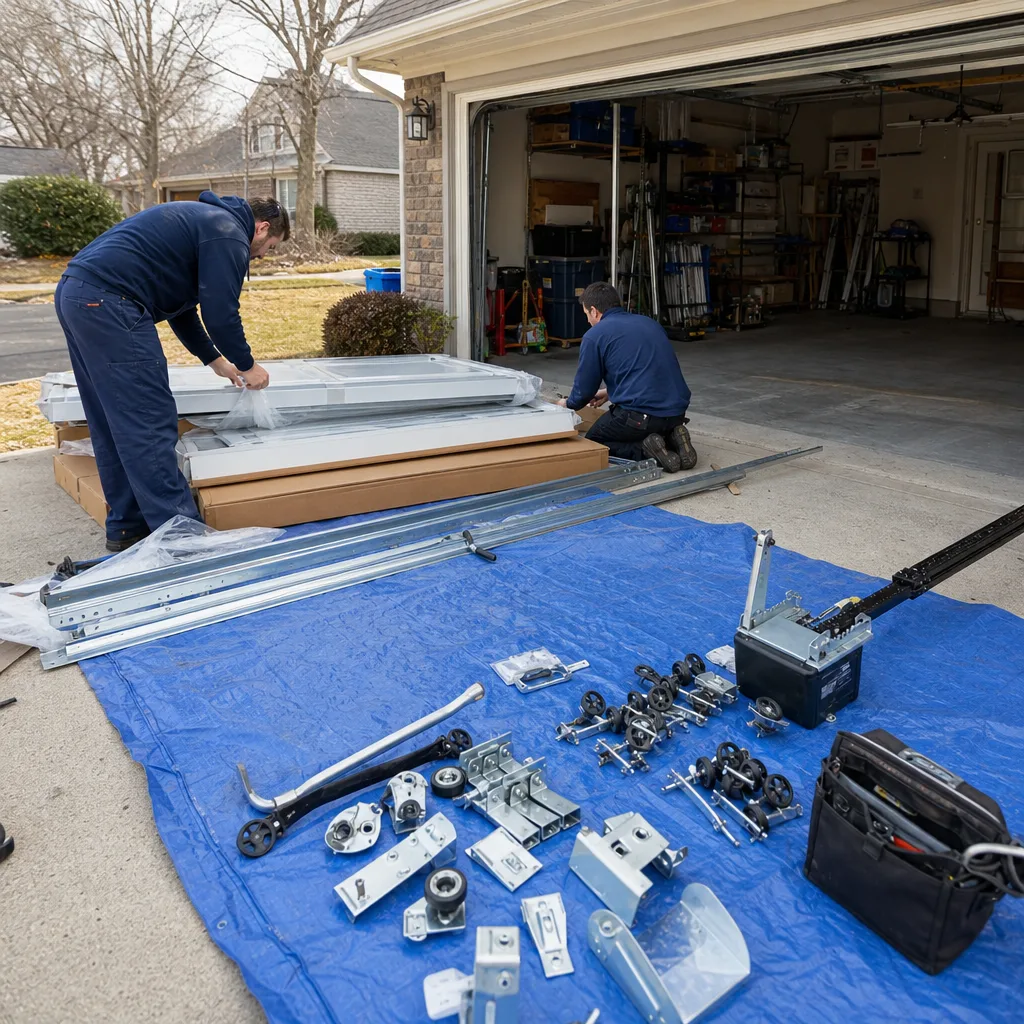
Last updated November 23, 2026
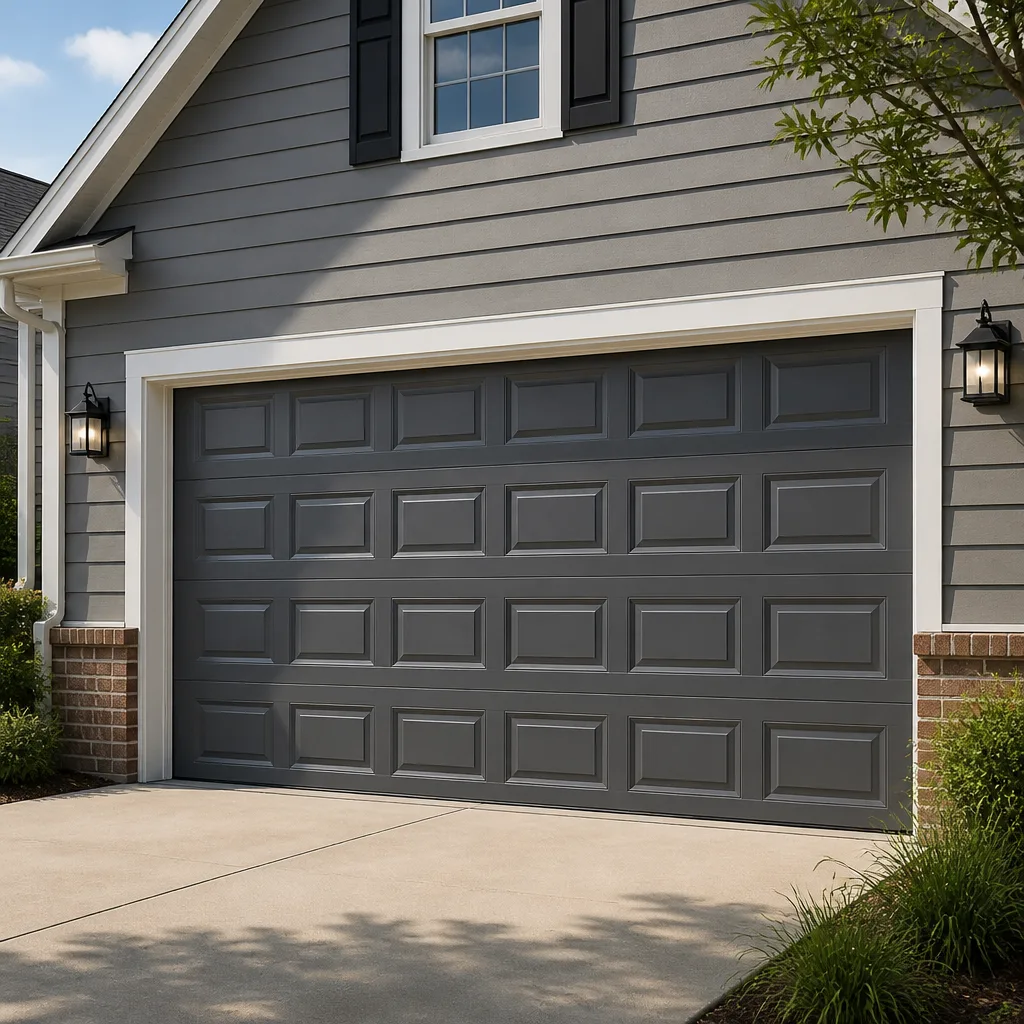 Raised-panel steel
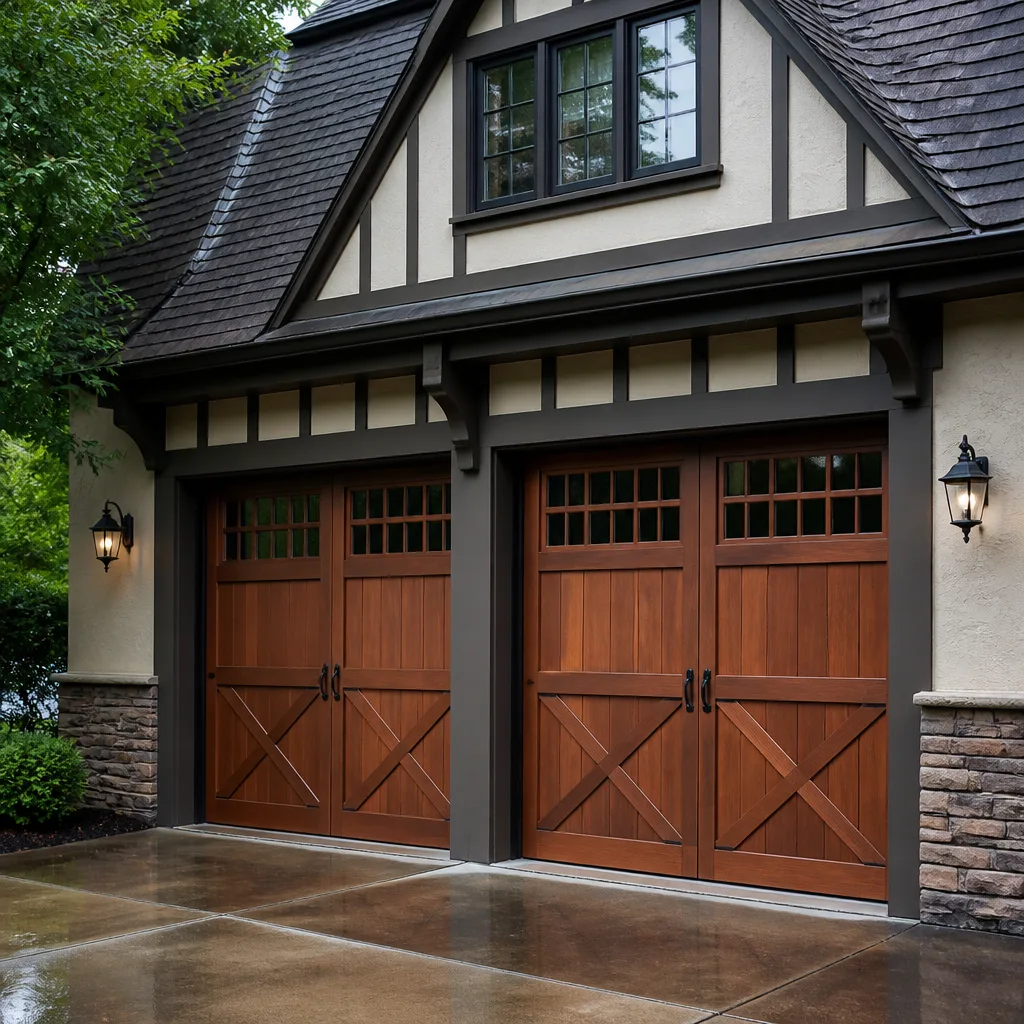 Carriage house
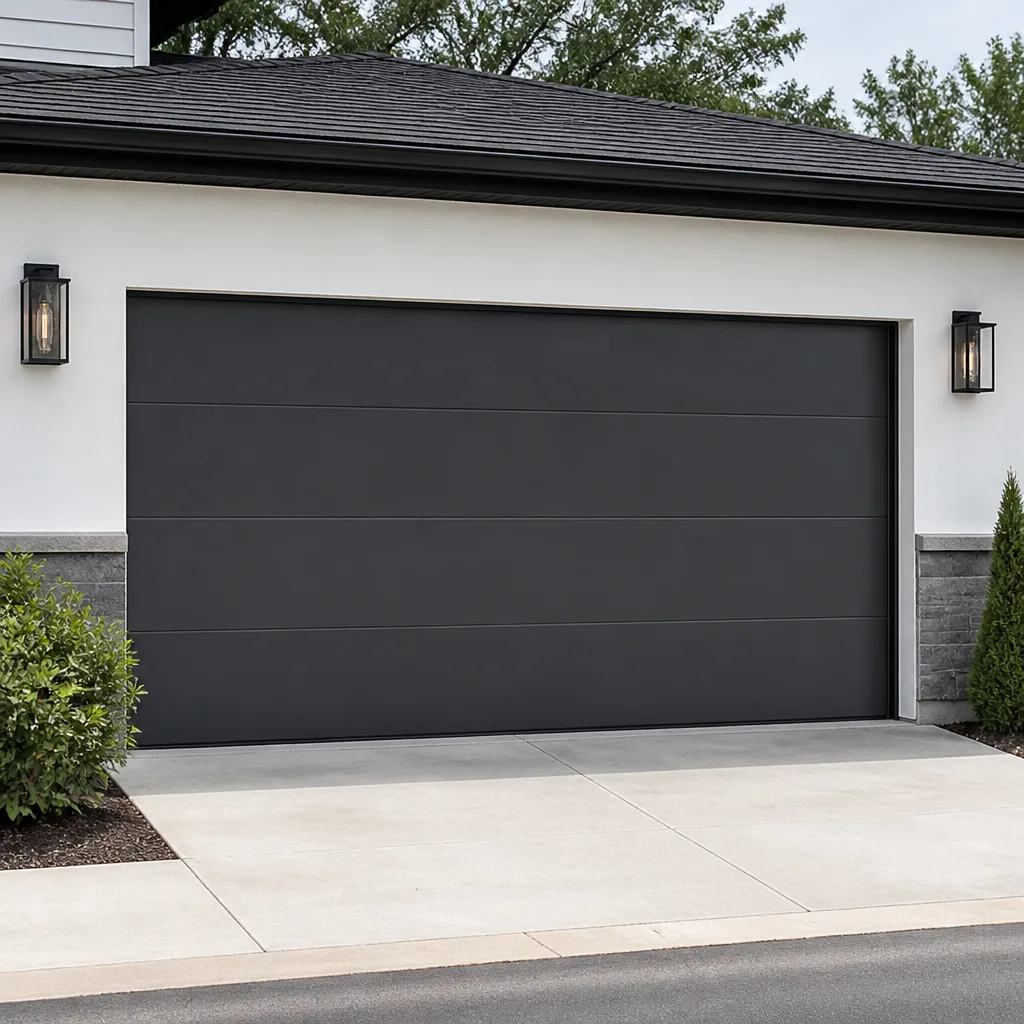 Modern flush
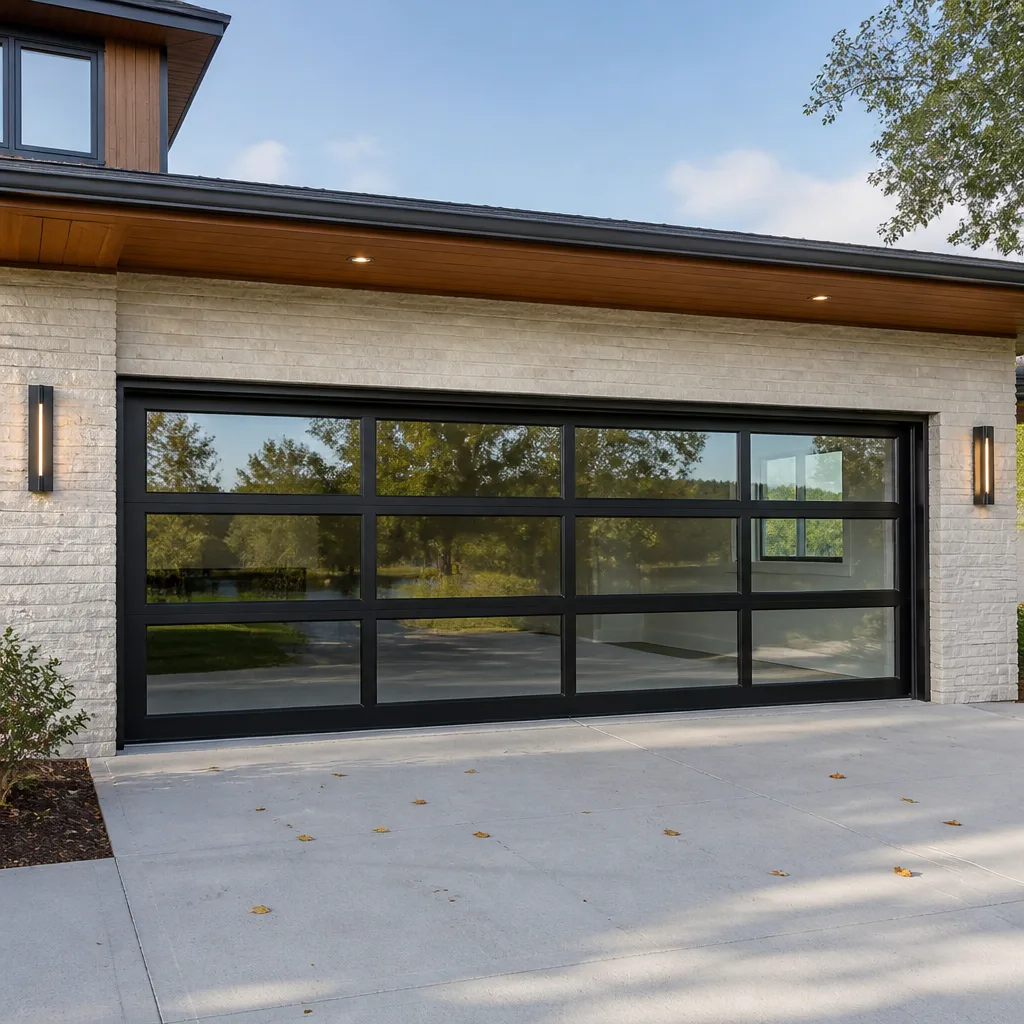 Full-view glass
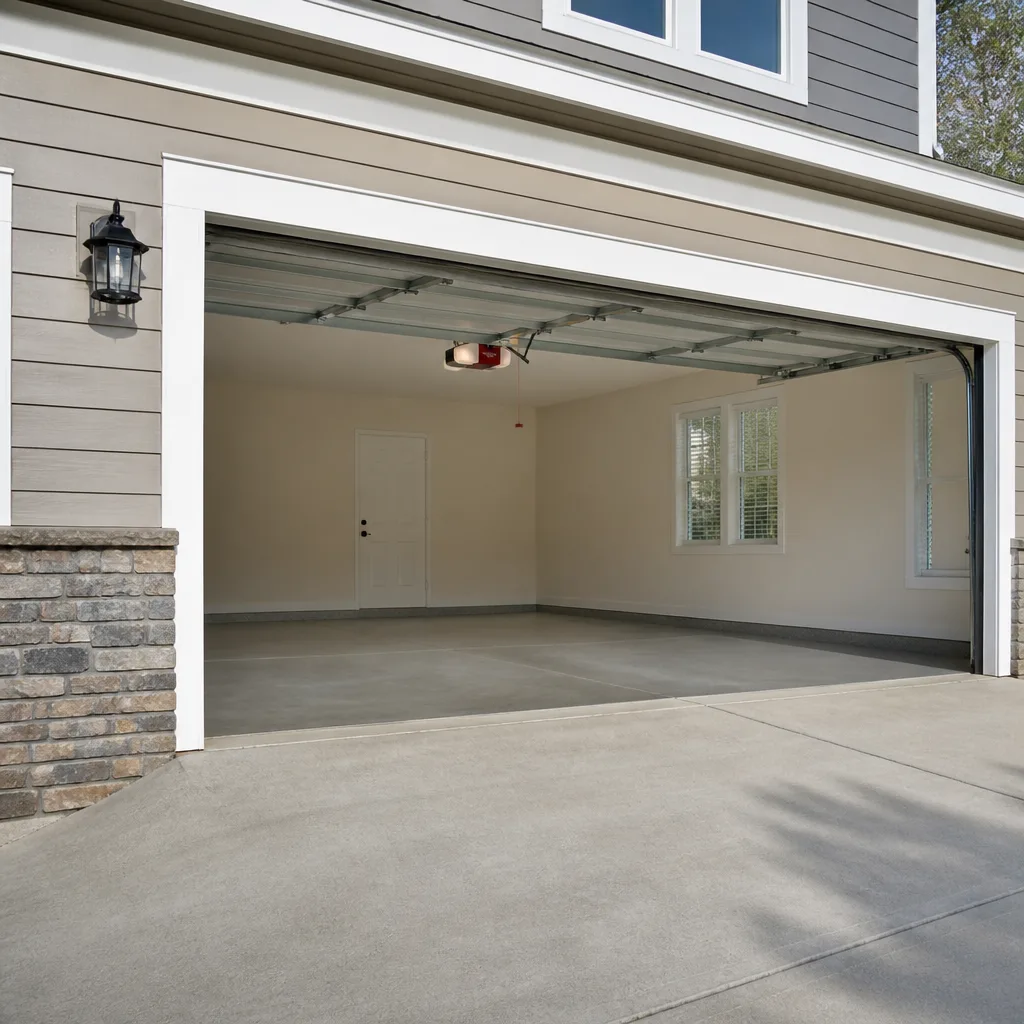 LiftMaster openers
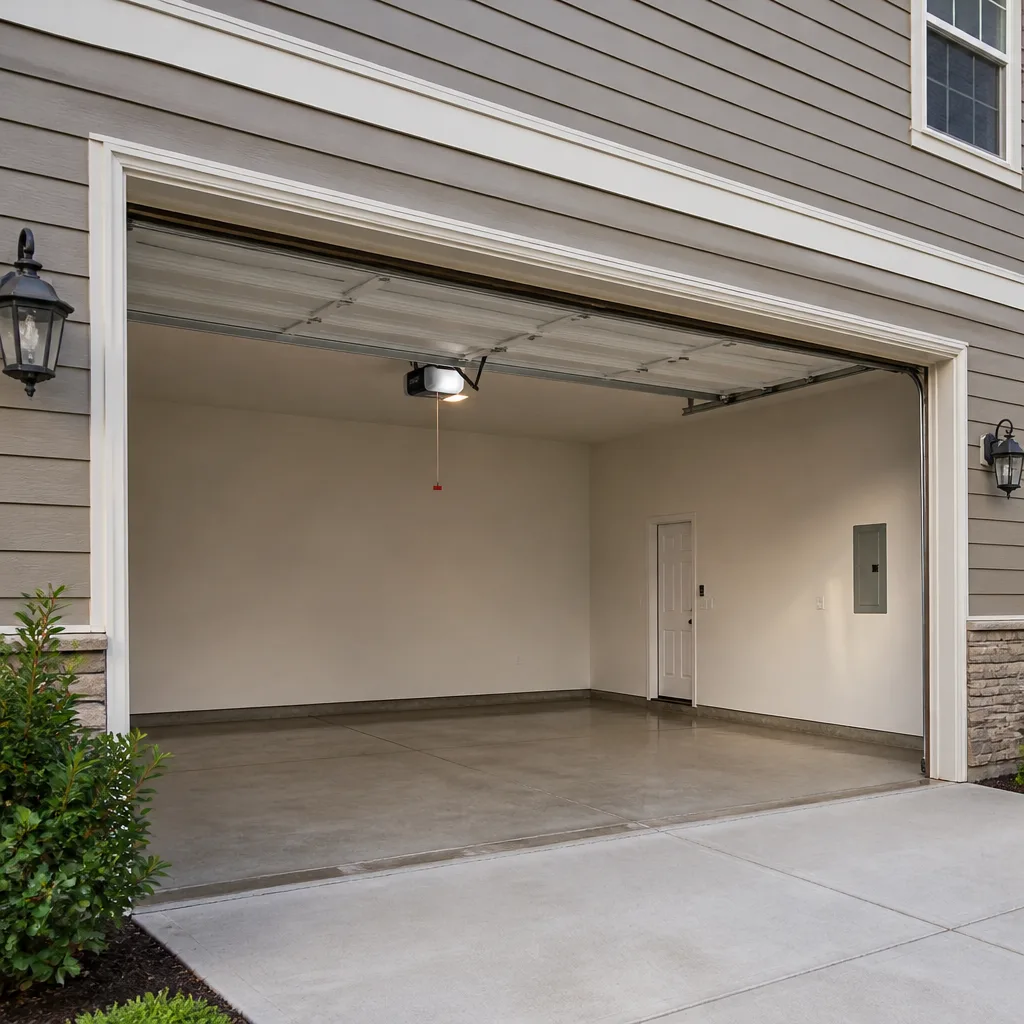 Chamberlain openers
Full 25-point door and opener safety check with every visit - springs, cables, rollers, tracks, and your LiftMaster or Chamberlain opener included
You get a price before we start. It does not change when the pro arrives.
Get your free estimateHow to Hire a Garage Door Contractor in Chester: A Step-by-Step Guide
Most bad garage door hires don’t happen because a homeowner forgot to check references. They happen because the homeowner asked the wrong questions. When the conversation stays on price and speed, a contractor can win the job without ever proving they understand door weight, spring sizing, or opener capacity. Then the door goes up crooked, the opener burns out early, or the spring fails months later, and the “deal” costs more than the quote that felt too high. In this guide we’ll walk through the technical questions that separate a garage door specialist from a generalist, how to read an estimate line by line, and what to watch for in Chester’s market specifically. By the end you’ll know exactly what to ask before anyone touches your door.
Quick Answer
To hire a garage door contractor in Chester, verify three things before you sign: that the contractor asks about your door’s weight and existing spring rating rather than quoting blind, that the written estimate itemizes springs, opener, hardware, and labor separately, and that they can name the brands they work on for your exact system. A contractor who won’t discuss spring sizing or writes a single lump-sum number is a red flag regardless of how low the quote looks.
Styles & brands we work with
- Raised-panel steel
- Carriage house
- Modern flush
- Full-view glass
- LiftMaster openers
- Chamberlain openers
Table of Contents
- The Three Technical Questions That Separate Specialists From Generalists
- How to Verify a Spring Is Sized Correctly for Your Door
- What Licensing Actually Requires for Garage Door Work
- How to Read a Garage Door Estimate Line by Line
- Red Flags Specific to the Chester Market
- Specialist or Generalist: Why It Matters for Warranty
- A Step-by-Step Hiring Checklist
- What a Legitimate Contractor Will and Won’t Do
The Three Technical Questions That Separate Specialists From Generalists
The fastest way to tell a garage door specialist from a jack-of-all-trades is to ask three technical questions in the first phone call. A specialist answers them in plain language without hesitating. A generalist either guesses or deflects. In our experience, these three questions tell you more than a stack of reviews.
Question one: “What brands do you work on?” A specialist works on specific systems and knows their quirks. LiftMaster and Chamberlain openers use different logic board designs and parts, even though they’re closely related. Clopay doors have their own panel and hardware specifications. If the answer is “oh, we work on everything,” press harder. Ask which brand they’d expect to find on a door your age and style. If they can’t tell you what a Genie or LiftMaster unit typically needs for a common failure, they’re not going to bring the right parts on the first visit.
Question two: “How do you size a replacement spring?” The correct answer involves the door’s weight and the spring’s cycle life rating, not guesswork. Anyone who answers “I just match the old one” hasn’t thought it through, because old springs stretch and lose tension, and matching a worn spring means repeating someone else’s mistake. We’ll dig into this more in the next section.
Question three: “What’s your process for testing the safety reverse?” Every powered garage door opener must reverse when it meets resistance, and the opener should be tested at the point of contact after any spring or opener work. A specialist knows this is standard and includes it. A contractor who waves the question off or says “it’s fine, it’s automatic” doesn’t understand the mechanism well enough to be working on your door.
Ask these three questions and you’ll cut through most of the guesswork. A specialist answers them without looking anything up.
How to Verify a Spring Is Sized Correctly for Your Door
Springs are the part homeowners understand least and contractors exploit most. A torsion spring’s job is to counterbalance the door’s weight. If the spring is undersized or oversized, the door either won’t stay up or the opener fights the spring every cycle and wears out early. The measurement that matters is the spring’s inside diameter, wire gauge, and length, all matched to the door’s weight. A reputable contractor should be able to tell you what they’re installing and why.
The red flag is simple: a contractor who won’t or can’t explain the spring rating is improvising. If you ask “how do you know this spring is right for my door?” the specialist says something like “I weighed the door” or “your door is a standard weight for X size, and this spring matches the cycle rating.” The generalist says “It’ll be fine” and moves on.
Here’s what to verify before any spring work happens:
- Ask what the replacement spring’s rated cycle count is. Cycle ratings tell you how many open-and-close cycles the spring should last.
- Ask whether the technician will weigh or otherwise confirm the door’s weight before matching a spring.
- Ask if the spring is matched to the existing torsion or extension setup, not swapped for a different type.
- Ask what happens if the spring turns out to be the wrong size after installation. The answer should be a straightforward callback, not a debate.
One more thing: a price for a single spring is for one spring. Many doors use a matched pair of torsion springs that should be replaced together, which roughly doubles the spring cost. A quote that silently prices one spring on a two-spring door is not actually the price of the job. For a more detailed look at the work itself, see our page on garage door spring repair.
We should also say plainly: springs are under high tension and a broken spring can cause serious injury if handled without the right tools. Don’t attempt this yourself. That’s exactly the kind of work a trained specialist is for.
What Licensing Actually Requires for Garage Door Work
Homeowners in Chester often get told contractors are “fully licensed” without any detail about what that means. Here’s the general picture: Pennsylvania licenses home improvement contractors through the state’s home improvement contractor registration program, which covers contractors doing residential work above a certain value threshold. But garage door work specifically isn’t a distinct license category, and a contractor claiming a “specialist license” for garage doors is hedging. Residential garage door installation and repair is generally covered by home improvement contractor registration, not a trade-specific license.
What you should actually ask for:
- Home improvement contractor registration. Ask for proof of state registration, not just a verbal assurance.
- General liability insurance and workers’ compensation. Ask for a certificate of insurance. A contractor who says “we’re insured” without being able to produce a certificate is a risk.
- Any specialty certifications that apply to your system. Certain manufacturers have factory-trained or authorized installer programs. If your contractor works on LiftMaster or Clopay equipment regularly, ask if they have any manufacturer-level training or authorization. Not every legitimate contractor has one, but a specialist usually has a relationship with the brands they work on.
In Delaware County, local permit requirements vary by municipality for structural changes to a garage or door frame. When a job involves framing changes or a new opening, ask the contractor whether a permit is needed and who pulls it. If they dodge that question, that’s a signal, because a legitimate contractor knows the process and won’t leave the homeowner holding that responsibility.
When you get a written quote, the contractor’s registration and insurance information should be easy to produce on request. Don’t accept “we’ll bring the paperwork later.”
How to Read a Garage Door Estimate Line by Line
A garage door estimate should be itemized enough that you can tell what you’re paying for. The single biggest warning sign is a lump-sum quote with no breakdown. That’s a quote where the savings come from somewhere you can’t see, and often it’s a substituted part or a reduced scope.
Here’s what a solid estimate should itemize and what a weak one hides:
- Springs or spring set, with type and specification. Not just “springs.” The estimate should identify whether the spring is torsion or extension, whether it’s one or a pair, and ideally what it’s rated to.
- Opener model and brand, if an opener is included. “New opener installed” tells you nothing. The exact model number matters, because the cheaper unit in the same brand line can be a different class of machine entirely.
- Hardware, hinges, rollers, and cable replacement as separate line items where they apply. Bundling these into “labor and materials” obscures what was actually replaced.
- Labor listed separately or explicitly stated as included. “Labor included” sometimes means labor is included as long as the job is straightforward, which is a clause you can’t rely on. Ask for a fixed total and a written scope.
- Removal and disposal of the old door, if a replacement. This should be itemized. Otherwise expect to be asked for more money on delivery day.
- Warranty terms stated on the document. How long, what’s covered, and who honors it. A verbal warranty isn’t a warranty.
The reason a 40% lower quote should make you pause is that the same job doesn’t really cost 40% less. Most of the time the difference is a smaller spring size, a lower-tier opener, or a skipped safety test. Those savings show up as failures later. Always ask the contractor to walk the estimate line by line. If they can’t explain a line item, don’t sign.
For a clearer picture of typical cost ranges on repair work, our garage door repair page covers the common jobs. And if the opener is the part that’s failing, our garage door opener repair page explains what a competent repair looks like.
Red Flags Specific to the Chester Market
Some of the riskiest garage door contractors in and around Chester aren’t obviously bad. They present well, they quote fast, and their online listings look fine. The tells are usually structural. Here’s what to watch for specifically.
Vague service area claims. A contractor whose site claims to serve “Chester and surrounding areas” without listing a base or a detailed service area is trying to look local without being local. Ask where the nearest staging point or materials supplier is. If the answer is “we come from far away, but we’ll be there same day,” that’s a warning. A contractor who actually works in Chester regularly knows the traffic patterns and the neighborhoods and can talk about them naturally.
No verifiable address in Delaware County. This isn’t about having a storefront, and it’s not about a showroom. Many legitimate garage door specialists don’t operate a retail location, and that’s normal for the trade. But a contractor with no verifiable business footprint anywhere in Delaware County and no locally registered business address should be vetted more carefully. Ask for the business name as registered with the state and confirm they’re set up to serve your area.
Pressure tactics around same-day pricing. The worst version of this is “this price is only good if you book today.” That’s a mark of a contractor who wants to prevent you from comparing. If a price is legitimate, it stands its ground. Ask for the estimate in writing and tell them you’ll call back after reviewing it. A real specialist is fine with that.
No mention of safety testing or spring specifications. As we’ve already said, this is the core of a quality job. If a quote doesn’t reference the safety reverse test or the spring weight at all, you’re looking at a contractor who’s skipping steps.
Unclear who does the work. If the person who quotes the job isn’t the person who does the work and they can’t tell you who will actually be on site, ask more. Subcontracted crews are not inherently bad, but you deserve to know.
Chester’s market has plenty of honest contractors. You just need to ask the questions that filter out the ones who aren’t.
Specialist or Generalist: Why It Matters for Warranty
A generalist can install a garage door opener because the electrical and mechanical principles are straightforward. The problem is the long tail. A generalist may not know that a specific LiftMaster model has a known issue with limit switch drift after a few years, or that a particular Clopay panel style requires specific hinge spacing. A specialist works on the same systems week after week, so the pattern recognition is there.
The warranty issue is real. Manufacturers set installation requirements, and a door or opener installed outside those specifications may not be covered when something fails. A generalist who substituted a part or installed a residential opener on a heavier door has opened you up to a warranty fight you’ll likely lose. A specialist cares about following the manufacturer’s spec because it protects both of you.
What you can expect from a single-trade garage door specialist:
- They work on garage doors and openers, and only garage doors and openers. No plumbing, no HVAC, no general contracting.
- They know the specific brands and model families well enough to answer questions about parts and compatibility.
- They understand spring mechanics, including which spring type and rating matches which door weight.
- They can handle the full lifecycle of a door: emergency repair, component replacement, and full installation.
- They price their work consistently because their prices aren’t subsidized by other trades.
For a contractor who works the full door life cycle, whether that’s repair, opener service, springs, or a new door, our page at Chester Garage Door Repair Pros covers the services we handle and the brands we work on. Our technicians have up to 14 years of experience and work on LiftMaster, Chamberlain, Genie, Clopay, and other widely installed brands.
A Step-by-Step Hiring Checklist
Here’s a simple sequence to follow when you’re choosing a contractor for a repair, replacement, or installation. It takes about ten minutes once you know what you’re looking for.
- Ask the three technical questions early. Brand experience, spring sizing method, and safety reverse testing. If any of those produces hesitation or deflection, move on.
- Describe the problem accurately. Is the door stuck, noisy, off-balance, or fully broken? Does the opener click but the door doesn’t move? Getting the diagnosis right up front helps a contractor quote fairly.
- Request a written estimate. Verbal quotes should be converted to paper before any work begins. Confirm the estimate includes itemized parts, labor, and warranty terms.
- Ask what’s excluded. Specifically, ask whether the estimate covers removal and disposal, hardware, and any follow-up evaluation. What you don’t ask about is what you’ll be charged for later.
- Confirm the warranty in writing. Ask how long the warranty covers parts and labor separately, and who honors it if the contractor isn’t the one returning. Get it on the estimate.
- Verify registration and insurance. Ask for proof of state registration as a home improvement contractor and a certificate of insurance. Both should be easy for a legitimate contractor to provide.
- Get the final price in writing before work begins. The written estimate is the price. If the number on the invoice after the job doesn’t match the estimate, ask why before you pay.
If you follow that sequence, you’ll rule out the contractors who rely on confusion and comparison fatigue. It’s the same process a specialist uses when choosing tradespeople for their own home.
What a Legitimate Contractor Will and Won’t Do
A legitimate garage door contractor will ask about your door’s age, style, and the specific brand on the opener before quoting. They’ll show up with a written estimate that doesn’t shift once the work begins. They’ll tell you if a job doesn’t need doing, and they won’t pressure you into replacing a door that can be repaired. If the opener is old but functional, a real specialist will say so instead of pushing a new unit.
What they won’t do is quote without seeing the door. They won’t guarantee a price sight unseen over the phone, and they won’t ask for a deposit before the estimate. They won’t tell you a spring is “fine” without examining the door’s weight and balance. They won’t install a part they can’t name.
What the job typically involves once the estimate is agreed on:
- The technician assesses the door’s balance, spring tension, and opener operation before starting work.
- Any removed hardware, springs, or openers are replaced with items that match the quoted specifications.
- Safety reverse and balance are tested after the work is done.
- You’re given a walkthrough of what was replaced and why, plus your warranty documentation.
If any of that is missing from the process, it’s fair to ask. A contractor who can’t explain what they did doesn’t understand the work well enough to guarantee it.
Common Mistakes to Avoid
- Choosing a contractor based on a phone quote alone. No legitimate contractor can price a garage door job accurately without seeing the door, the spring setup, and the opener. A quote that’s never seen the door is a number, not a price.
- Accepting a lump-sum price with no itemization. A single number hides substituted parts and missing labor. Ask for a line-by-line estimate every time.
- Skipping the spring specification question. This is the single biggest indicator of a botched job. The spring has to match the door’s weight and vertical lift, and the contractor should be able to explain the sizing.
- Ignoring the warranty on the estimate. A door or opener where the warranty is verbal is effectively unwarranted. Get the terms on the estimate document, and ask who honors it.
- Being rushed into a same-day price. Chester contractors who use “this price is only valid today” are usually protecting a quote they can’t explain. Ask for the estimate in writing and take a day to review it.
- Not checking for a Delaware County business presence. A contractor who can’t produce a verifiable address, state registration, and insurance is a risk regardless of how their listing looks.
- Never asking about safety reverse testing. This step is a critical part of a completed repair. If it’s not mentioned in the estimate or the walkthrough, the job may be incomplete.
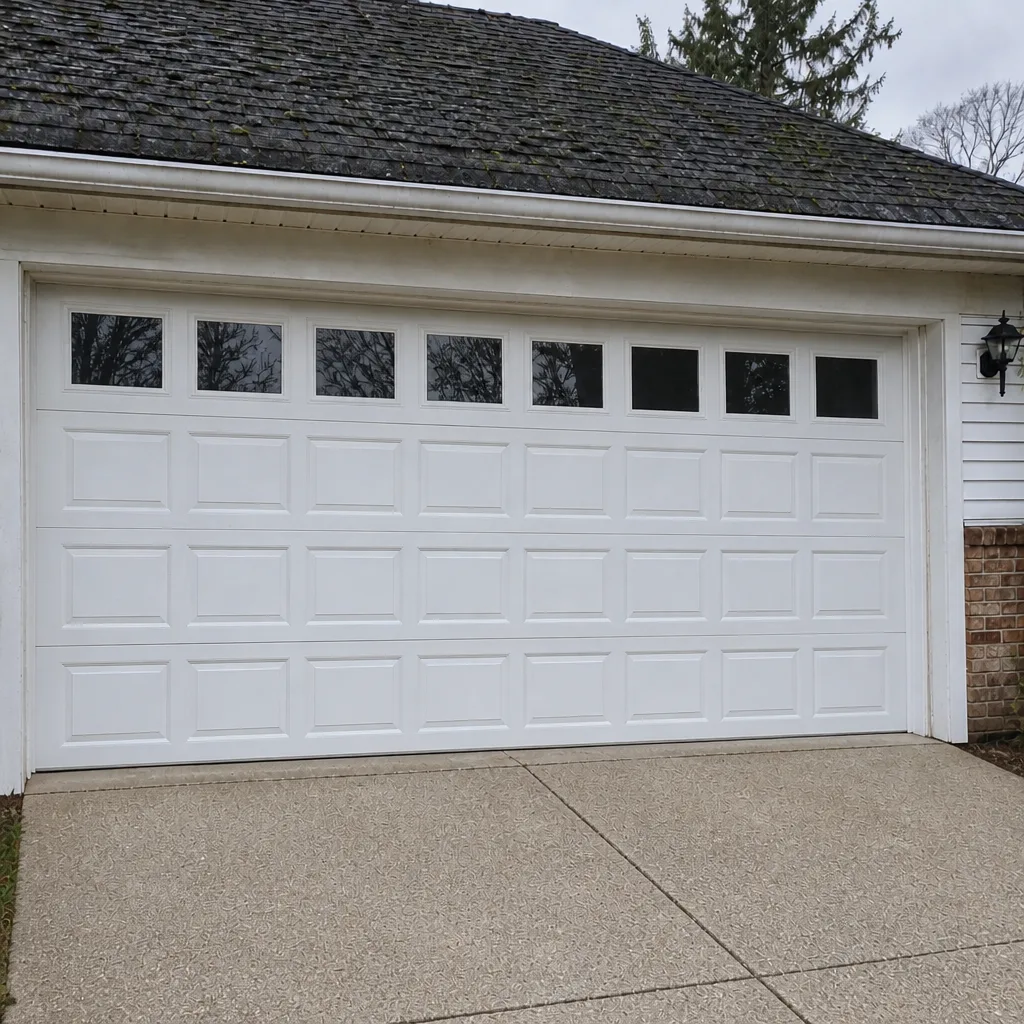
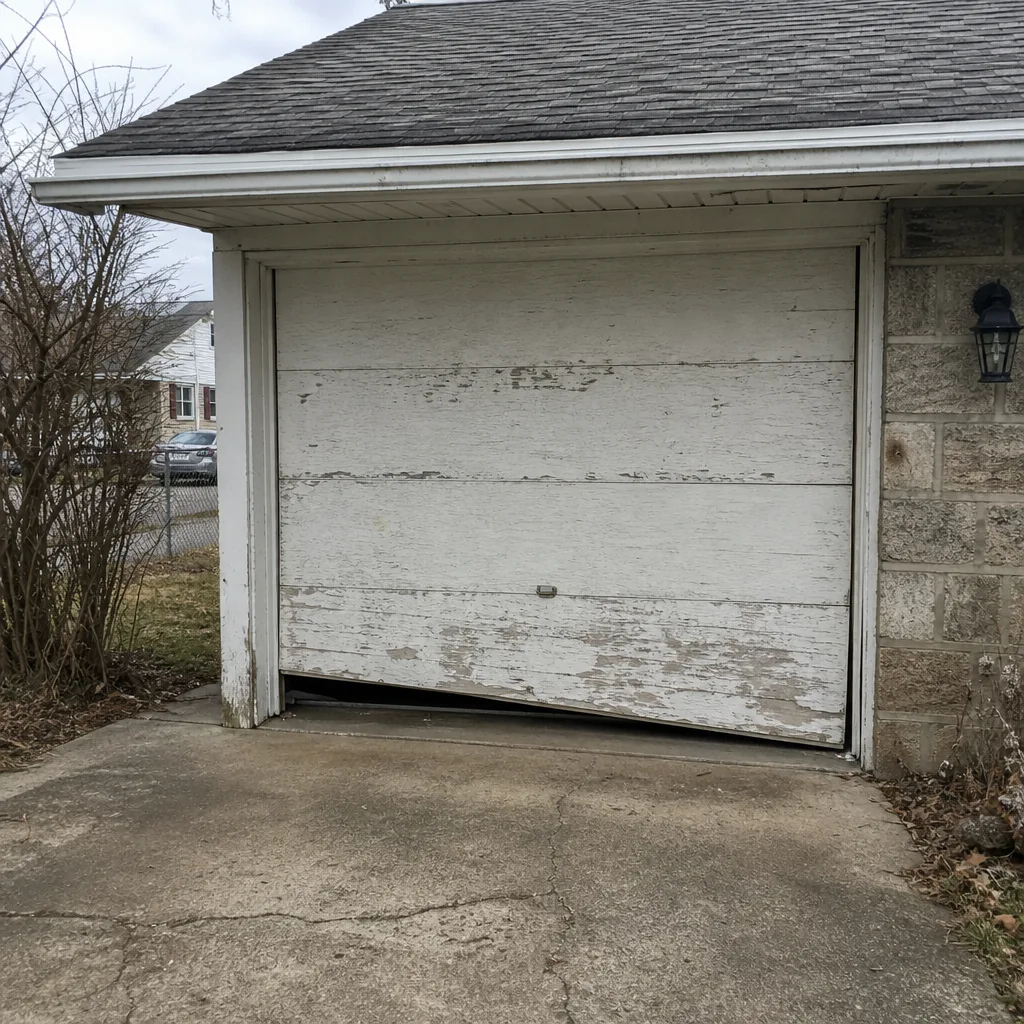
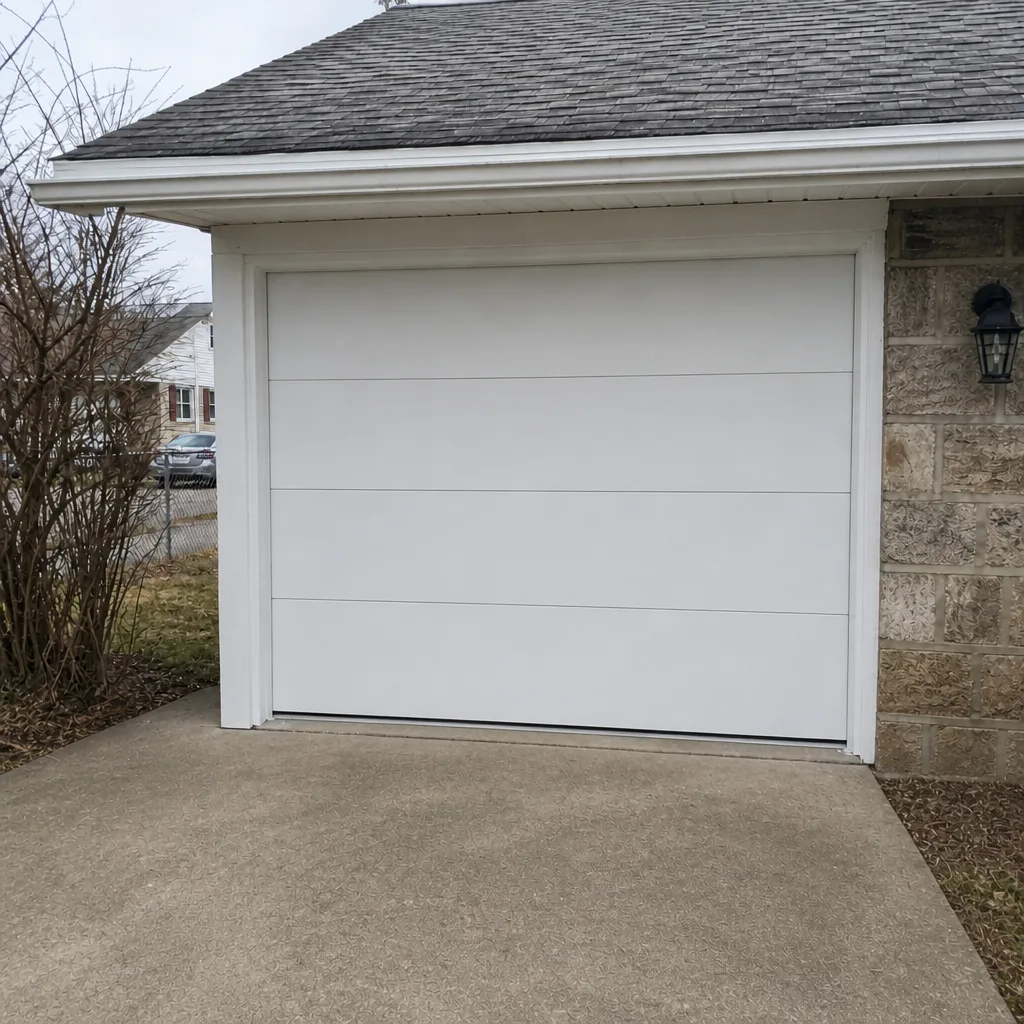
See the difference
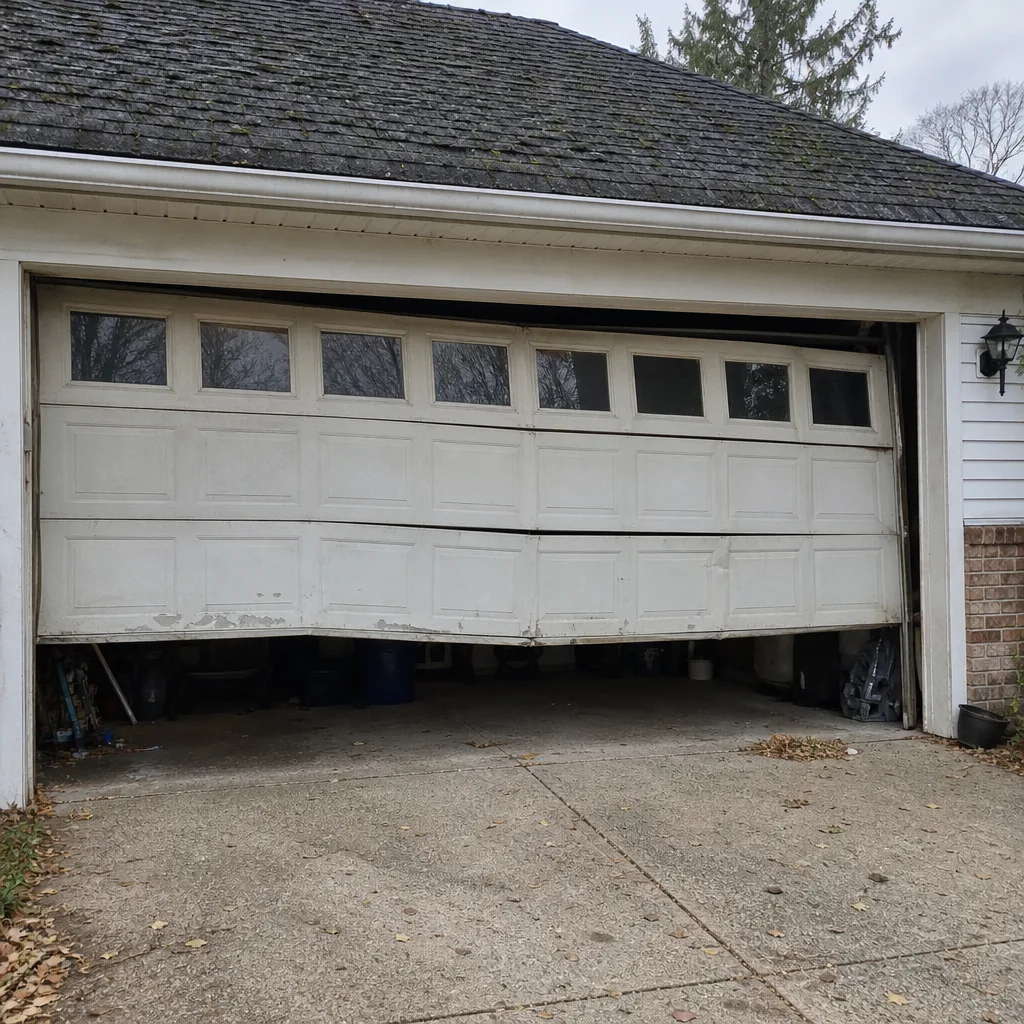 Before
 After
 Before
 After
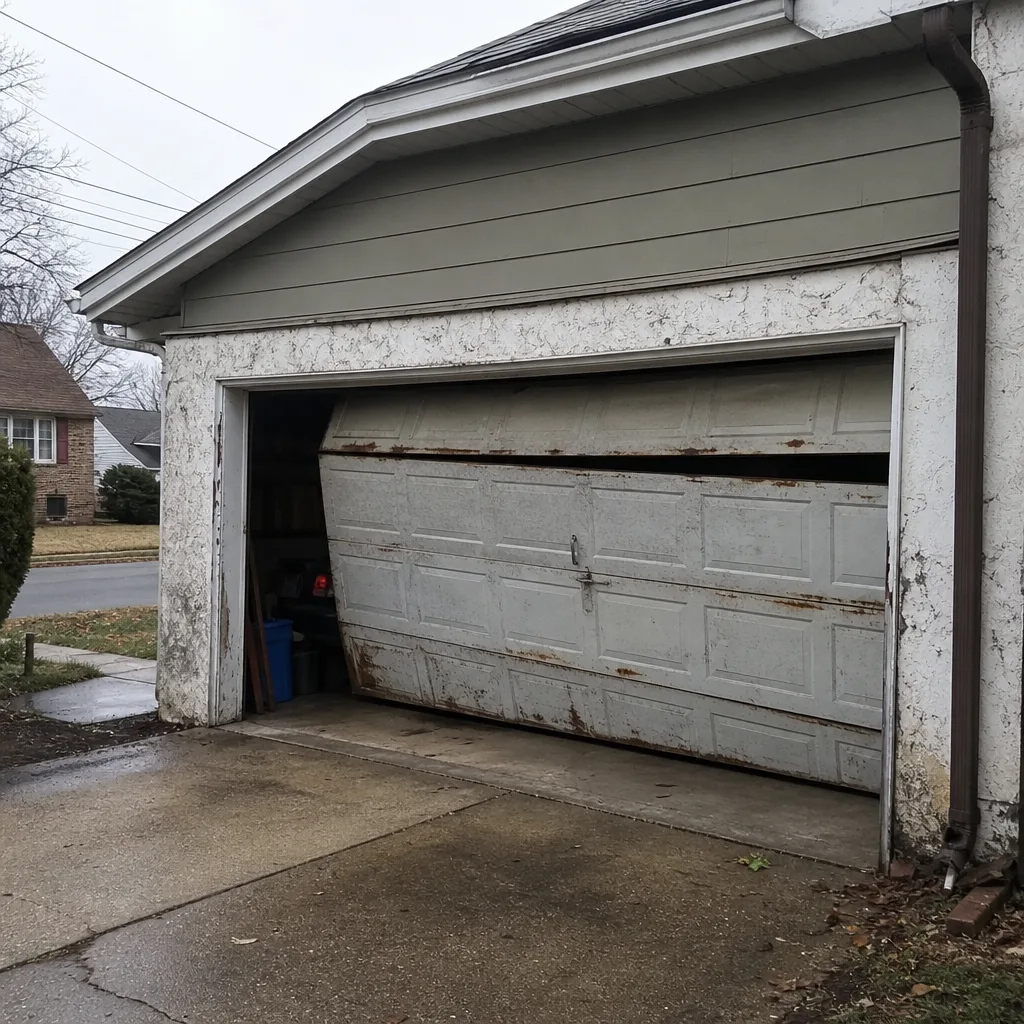 Before
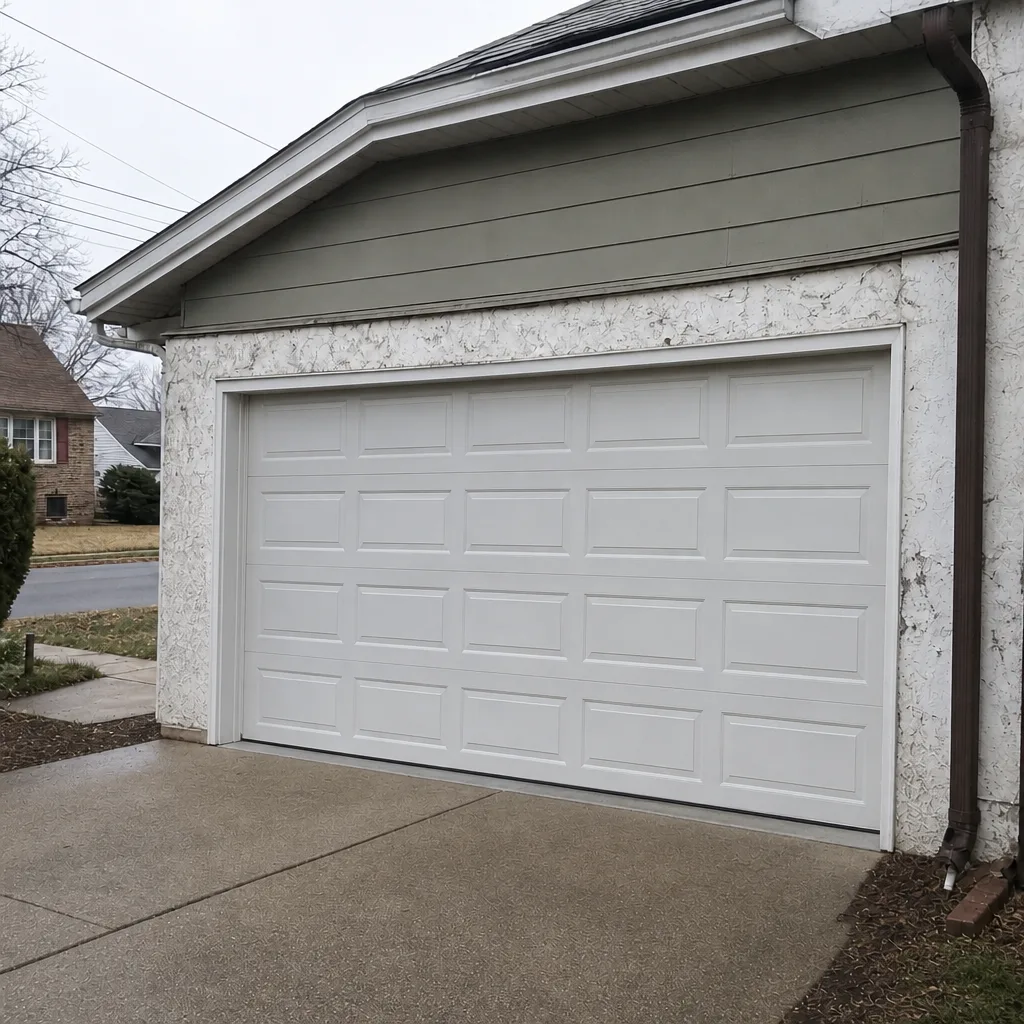 After
When to Call a Professional
Some garage door problems are clear calls. A door that won’t open, a spring that’s visibly broken, or a door that’s come off its track needs a professional. The most common triggers in Chester are a snapped spring, an opener that clicks but won’t lift the door, a door that moves unevenly, or a door that went up fine yesterday and now won’t budge. If the door is stuck and blocking a car, or worse, if it’s leaving the home unsecured, call directly and describe the situation. Chester Garage Door Repair Pros offers free estimates in Chester, same-day service when available, and emergency garage door service for trapped vehicles and unsecured openings. Our technicians have up to 14 years of experience. Call (844) 321-5685 to book an estimate.
Frequently Asked Questions
Spring repair typically runs a few hundred dollars for a single spring, and a matched pair roughly doubles that. The written estimate sets the final price, and the estimate should itemize the spring specifications and labor. Call (844) 321-5685 for an exact quote – estimates are free.
Same-day service is often available depending on scheduling and the type of failure. Emergency garage door service is a standing offering, so call and describe your situation. If the door is stuck with a car inside or the home is unsecured, say so – it moves up the priority list. Call (844) 321-5685. We answer 24/7, with fast dispatch from 7am to 7pm.
The written estimate sets the price. If the job turns out to be larger than the quote anticipated because of hidden damage, the contractor should tell you before any additional work begins, not after. Ask for the estimate in writing, and ask specifically whether the number is fixed or conditional.
Garage door work is covered under Pennsylvania’s home improvement contractor registration, and legitimate contractors carry general liability insurance and workers’ compensation. The contractor you hire should be able to produce a certificate of insurance and proof of state registration on request. Ask for both before the job begins.
Yes, when the job involves springs, opener diagnostics, or door installation. A generalist can substitute a part that doesn’t match the door’s weight or opener’s spec, and that failure usually isn’t covered by the manufacturer’s warranty. A specialist costs more up front because the work is done right the first time.
The eight most widely installed brands in residential and light-commercial settings are LiftMaster, Chamberlain, Genie, Clopay, Amarr, Wayne Dalton, Craftsman, and Raynor. A specialist works on most or all of them. If your opener or door is one of those brands and the contractor says they’ll “figure it out,” that’s a red flag. Our technicians work on that brand set regularly.
The Bottom Line
Hiring a garage door contractor in Chester starts with asking better questions. Ask about brand experience, spring sizing, and safety testing before you talk about price. Require a written, itemized estimate, confirm the warranty on paper, and verify registration and insurance. Treat a quote that’s 40% below the field as a warning sign, not a bargain, because that difference usually comes from a substituted spring or a lower-class opener. A specialist isn’t the cheapest option on the list, but the job is done once, the warranty holds, and nobody is re-doing the work next season. That’s the difference worth paying for.
Written by the team at Chester Garage Door Repair Pros.