
Last updated November 23, 2026
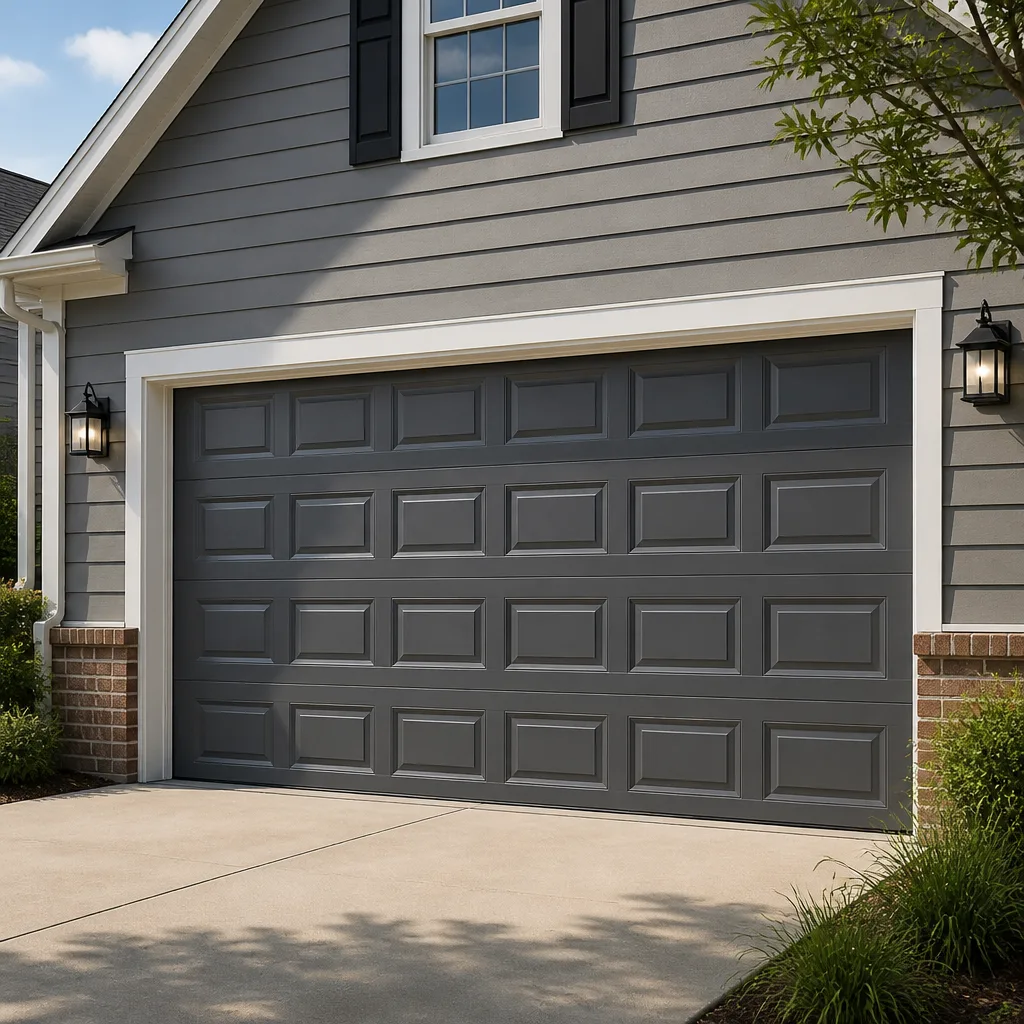 Raised-panel steel
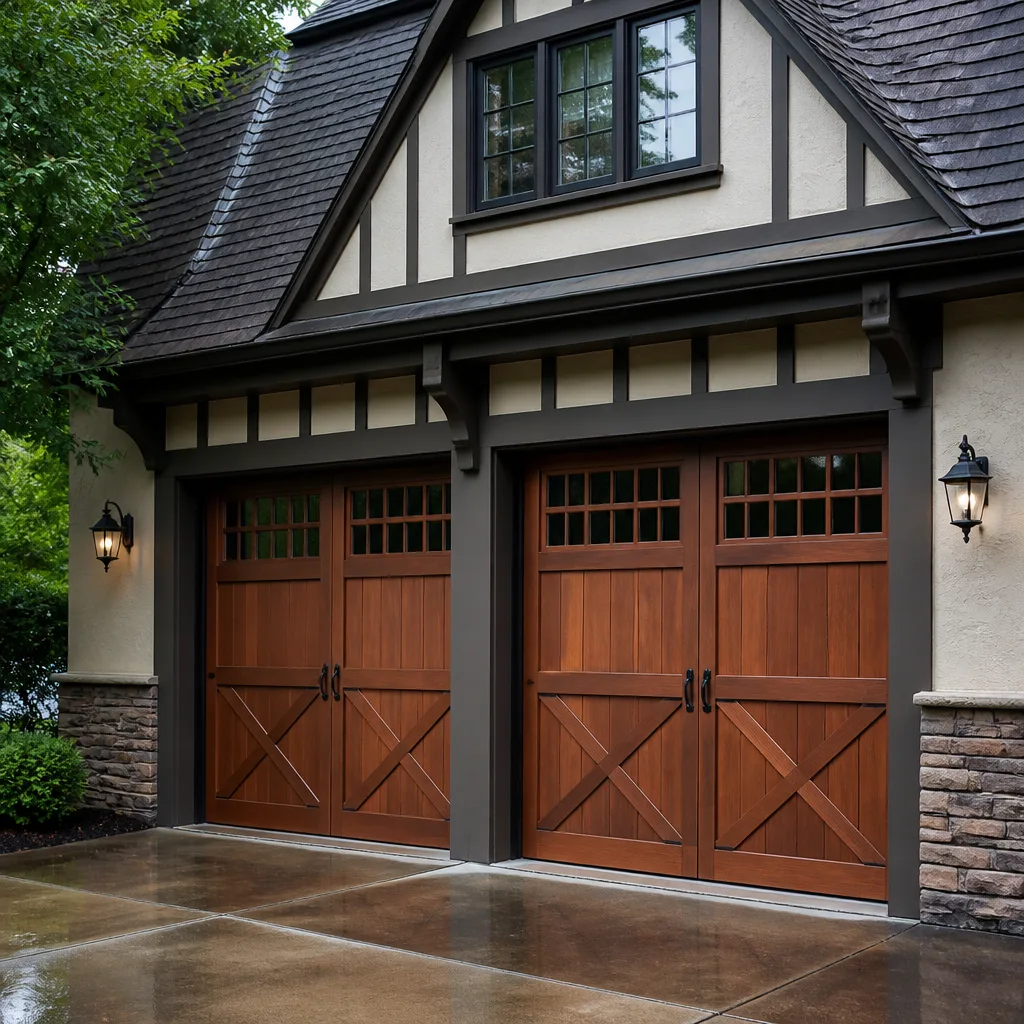 Carriage house
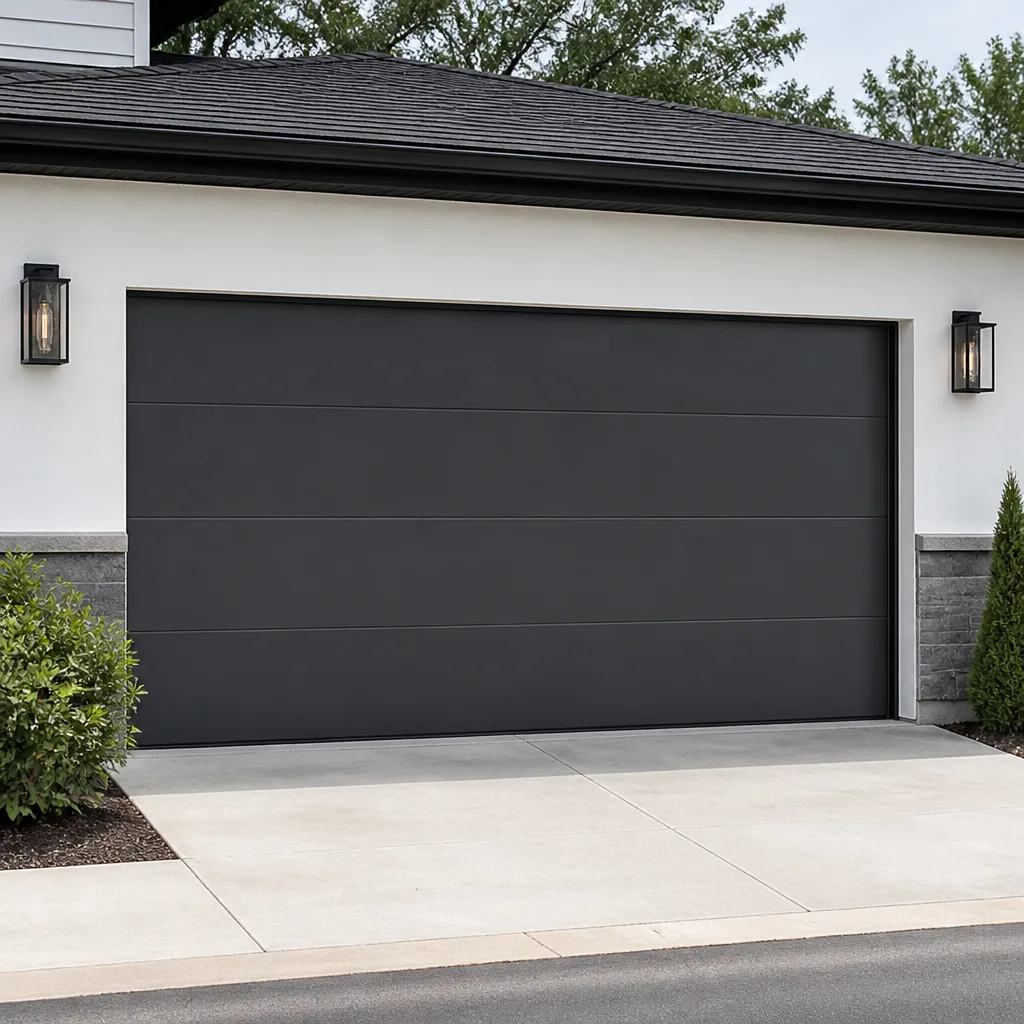 Modern flush
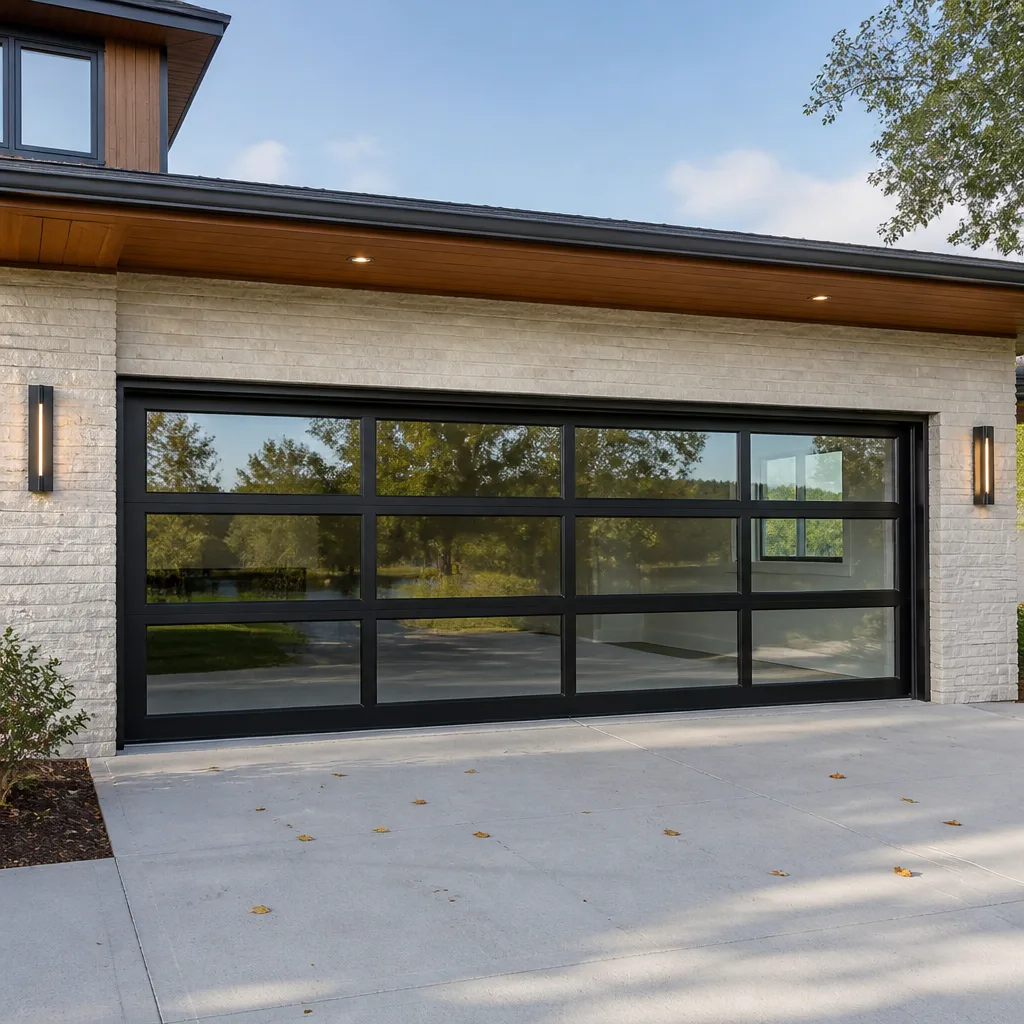 Full-view glass
 LiftMaster openers
 Chamberlain openers
Full 25-point door and opener safety check with every visit - springs, cables, rollers, tracks, and your LiftMaster or Chamberlain opener included
You get a price before we start. It does not change when the pro arrives.
Get your free estimateDIY vs Professional Garage Door: The Chester Homeowner’s Decision Guide
A torsion spring stores roughly 100 foot-pounds of torque. That’s the figure that ends the argument before it starts. This isn’t a “be careful up there” situation – it’s the reason garage door spring work is one of the few home repairs where a mistake can be fatal, and no tutorial changes the physics of a wound spring letting go. But here’s the counterintuitive part: most of the garage door tasks homeowners actually attempt aren’t dangerous at all. The real question in Chester isn’t whether you’re handy enough. It’s which specific jobs carry mechanical risk that skill can’t cancel out, and which ones are genuinely fine for a careful homeowner to handle. We’ll draw that line task by task.
Quick Answer
Lubrication, weatherstripping, opener programming, and visual inspections are safe DIY tasks. Spring replacement and cable replacement should always go to a professional. Track realignment, panel damage, and opener motor faults sit in between and depend on severity. In our experience, the jobs worth calling on are exactly the ones where a stored-force failure can injure someone – and everything else is fair game for a Saturday morning.
Styles & brands we work with
- Raised-panel steel
- Carriage house
- Modern flush
- Full-view glass
- LiftMaster openers
- Chamberlain openers
Table of Contents
- Task-by-Task: What’s Safe DIY and What’s Not
- How Chester Home Construction Changes the DIY Math
- Why Spring Work Is Always a Professional Job
- What a Voided Warranty Actually Looks Like
- The Real Math on When DIY Saves Money
- How to Prepare for a Professional Visit Safely
- How to Choose the Right Garage Door Specialist
- When to Call a Professional
Task-by-Task: What’s Safe DIY and What’s Not
The garage door is one of the largest moving assemblies in a house, and it works as a system. That means a task that looks isolated – swapping a spring, tightening a cable – is actually a task on the whole machine, and the safety margin lives in the balance between parts. Here’s our working breakdown.
Safe for a careful homeowner
- Lubrication. Hinges, rollers, and the torsion bar bearings want a garage-door lubricant, not WD-40. Twice a year keeps the door quiet and cuts strain on the opener. This is the single highest-value DIY task on the list.
- Weatherstripping. The rubber seal at the bottom edge and the perimeter trim are easy to replace and cheap. A worn seal lets water, cold air, and pests into a Chester garage, and it’s a screwdriver-and-utility-knife job.
- Opener programming. Remotes, keypads, and travel limits on a garage door opener repair visit that turns out to be nothing but a lost signal are handled from the opener head with the manual in hand. Genie and LiftMaster models both walk you through it.
- Visual inspection. Run the door and watch it. Look for a wobble, listen for a grind, check that the door reverses when it meets an object. Catching a problem early is worth more than any repair.
- Photo-eye alignment. The little sensors near the floor tracks are usually knocked out of aim rather than broken. Checking the LED indicators and nudging them back into line takes minutes.
Professional work, no exceptions
- Torsion and extension spring replacement. This is the load-carrying heart of the door. We cover why in its own section below.
- Cable replacement. Cables run under tension and are the second most dangerous component. A frayed cable is a failure waiting to happen, and cutting one loose with the wrong assumptions can snap it across the room.
- Bottom bracket and drum work. These parts hold cables under load. A technician treats them as a system; a homeowner shouldn’t touch them at all.
- Off-track panels after an impact. If the door hit something and jumped the track, the force involved may have bent a panel, a hinge, or a roller stem. Straightening it back on is often a professional job.
For anything on the professional side, our team works on the exact brand and model at your house, which matters more than people expect – a Clopay panel system and a Wayne Dalton setup fail in different ways.
How Chester Home Construction Changes the DIY Math
Garage door work varies by house, and in Chester it varies a lot. The housing stock here runs from mid-century ranchers to much older masonry buildings, and both create conditions a homeowner won’t see on a generic video.
Older doors, heavier doors
Plenty of garages in Chester still carry a door installed before lighter insulated panels became standard. Older doors are heavier, and they’re usually paired with an opener that was sized for the original weight. When a homeowner replaces a spring with the wrong gauge, the door “works,” but the opener motor takes the extra strain until it burns out on a cold morning. Weight matters more here than on a newer build.
Masonry anchors
Many pre-1980 garages in Chester are masonry construction – brick walls, block piers, sometimes a lintel that carries the door header. Hanging a new opener or re-anchoring a track means drilling into that wall and using the right anchor. A toggle bolt into hollow block and a sleeve anchor into solid brick are two different jobs, and a track that pulls free of a wall is a serious failure. If you’re mounting anything new to masonry, that’s a call worth making.
Limited headroom
Older garages frequently have lower ceilings and closer headers, which is why low-headroom doors and side-mount openers exist. In a Chester garage with tight headroom, the “standard” solution a video shows may not fit at all, and forcing it bends brackets. The measurements come first. A free measure is the fastest way to know what you’re actually working with.
Cold, wet winters
Chester gets freezing stretches that make steel contract and door seals stiffen. A door that ran fine in October can chatter in January because the seal has hardened or the tracks have tightened. Some winter noises are weather, not a failing part – knowing which is which saves a needless repair call.
Why Spring Work Is Always a Professional Job
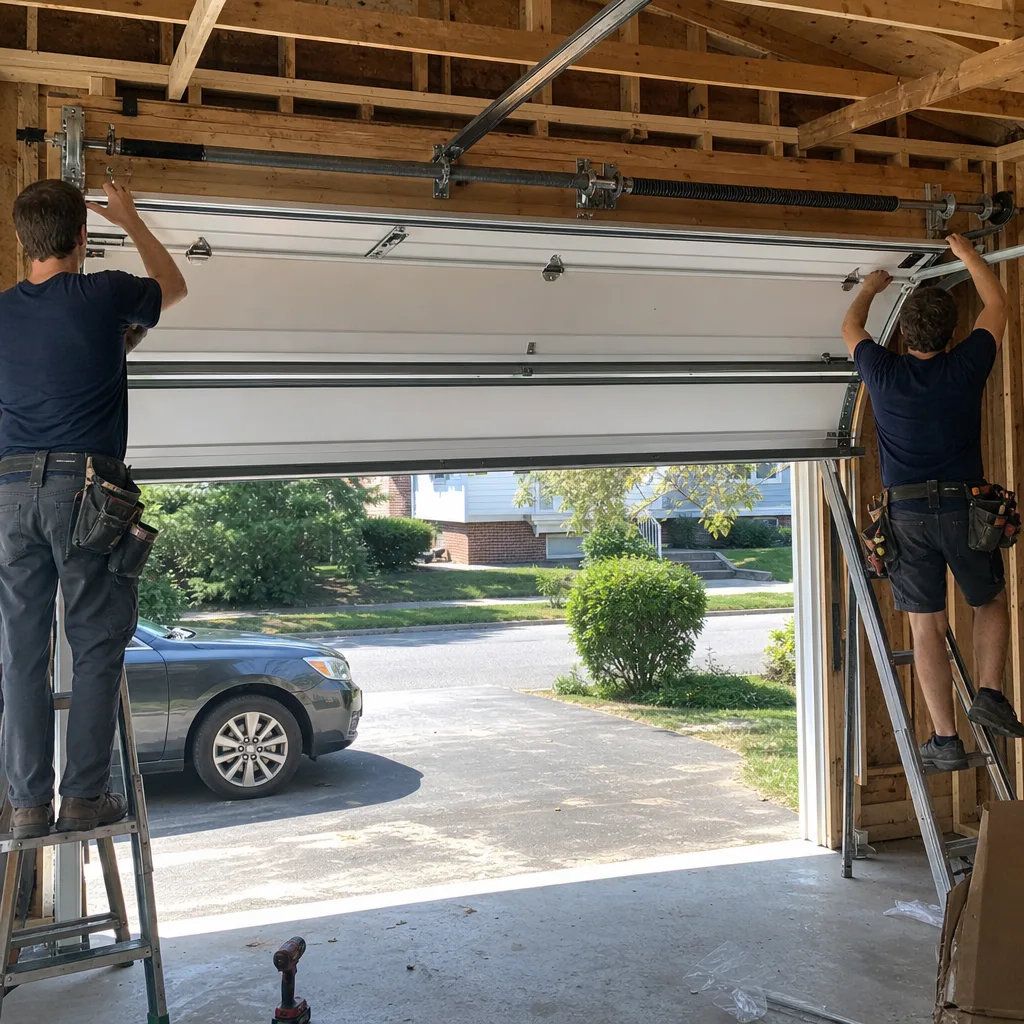
Torsion springs hold the entire weight of the door in a wound coil. When you release that tension the wrong way, the spring itself becomes a projectile, and the winding bars become flying steel. Extension springs under a door are just as serious; without a proper safety containment, a snapped spring can whip toward anything nearby. There is no “slow” version of that failure.
This is why our team treats garage door spring repair as a core, named service rather than an afterthought. Generalist handyman companies often avoid spring work because the risk is real and the tooling is specific. Winding a new spring requires the correct bars, the right wire gauge for your door’s weight, and a controlled count of turns. The number of turns depends on the door height and drum size, not on the label on the old spring.
Here’s what a proper spring job involves, so you know what you’re paying for:
- Measure the door’s height and weight to confirm the right spring gauge.
- Secure the door so stored tension can’t move it while work is in progress.
- Unwind the old spring with winding bars, holding tension at every step.
- Install and wind the new spring to the correct count of turns.
- Test the door’s balance – it should hold halfway open with no drift – and adjust the opener travel limits to match.
Notice something: the last step touches the opener, and the first step touches the door’s weight. A spring job that only swaps the spring and ignores balance leaves the opener doing work it shouldn’t. That’s the specialist-versus-generalist difference in one paragraph. A matched pair of springs is often replaced together, and the pair costs roughly double a single spring because the tension is designed to share the load. Don’t let anyone tell you one spring equals two.
What a Voided Warranty Actually Looks Like
Here’s a myth worth killing: that every brand tracks installation records and voids your whole warranty the moment you touch the door. What actually happens is narrower and more practical. Brands care most about two things – whether a failure traces to a modification they didn’t approve, and whether the door was installed to spec in the first place.
- Installation records matter on doors more than parts. A Clopay or Amarr panel warranty generally assumes the door was installed to the manufacturer’s instructions. Those instructions cover anchor spacing, track mounting, and spring sizing. A homeowner who re-anchors a track in a different spot has changed a variable the warranty was written around.
- Component warranties follow the component. If a LiftMaster opener fails within its coverage window and the failure has nothing to do with what you did, the claim usually proceeds. If you cut into the wiring or mounted a non-approved accessory, that’s a different conversation.
- Springs are usually treated as wear parts. Most spring warranties are short by nature, because springs cycle and eventually fatigue. A voided spring warranty is rarely the expensive loss people fear – a warped panel is.
- What actually triggers trouble: drilling new holes in a panel, welding or bending a track, replacing a spring with an off-spec gauge, or rewiring an opener. Those are the records that matter.
The practical takeaway: if your door is still under a panel warranty, call before you modify structure. Programming a remote or replacing a seal won’t hurt anything. Bending and re-anchoring is where records get checked.
The Real Math on When DIY Saves Money
DIY saves money when the task is a component swap that doesn’t touch structural balance. It costs money when the repair either fails or causes a second failure, and the second job is always more expensive than the first would have been.
Where DIY wins
- Lubrication: a tube of garage-door lube instead of a service call.
- Weatherstripping: a few dollars in seal instead of a trip charge.
- Remote and keypad programming: free, once you find the manual.
- Replacing a roller or a hinge that’s visibly worn.
Where DIY loses
- Spring or cable work done wrong. A door with the wrong spring gauge is out of balance, and the opener pays for it. What looked like a $15 spring becomes a new opener or a bent panel, plus the spring job you still need.
- Track bending. Eyeballing a track back into parallel usually leaves the door fighting the rails. That accelerates roller and hinge wear across the whole door.
- Using the wrong fastener. One pulled anchor in a masonry wall can mean re-drilling, patching, and remounting – three tasks where you started with one.
- Ignoring the opener’s role. A homeowner who fixes the noise but not the balance ends up rebuilding the opener later.
The honest rule of thumb: if a task changes how the door hangs, moves, or stores energy, the professional job is the cheaper job in the long run. If a task just keeps the door clean and sealed, DIY is a good call. Our team quotes each job on its own with a written estimate before any work begins, so there’s no surprise when the invoice arrives. For a specific repair, garage door repair starts with a look, not a guess.
How to Prepare for a Professional Visit Safely
You can shave billable time off a visit without touching anything risky. Here’s what actually helps, in the order a technician will appreciate it.
- Clear the garage floor. A path to the door, the opener rail, and the wall opener means the technician works on the door, not on moving boxes.
- Move the car out. Even if the door won’t open all the way, clear the space in front of it so the door isn’t blocked.
- Find the manual or model sticker. Note the opener brand and the door brand from the label on the frame or the back of the opener. Knowing it’s a Genie or a Chamberlain up front saves a phone call.
- Write down the symptoms. Does the door stick at the same height? Is the noise at the opener or at the hinges? Does the opener light flash a code? A two-sentence description beats trying to reproduce the sound on the spot.
- Photograph the door bottom and tracks. A phone photo of a bent track or a torn seal shows the technician what to expect before they arrive.
- Stop operating the door if it’s moving badly. A door that’s off-track or grinding shouldn’t be run repeatedly while you wait for the visit. That’s how a fixable track becomes a bent panel.
What not to do: don’t try to “fix it a bit” before the visit. Adjusted springs, freed cables, and loosened brackets make the problem harder to diagnose and can move the job from repair into a bigger scope.
How to Choose the Right Garage Door Specialist
Hiring a garage door pro is different from hiring a general contractor. You want a specialist, not a company that lists garage doors among a dozen other trades. Here’s the checklist we’d use if we were in your shoes.
- Ask what they actually work on. A company that names the brands it services – LiftMaster, Chamberlain, Genie, Clopay, Amarr, Wayne Dalton, Craftsman, Raynor – is telling you they’ve seen your system before. A company that says “we handle anything” is telling you something else.
- Confirm spring and cable work. Spring replacement is a serious component of the trade. If a company lists it as a standard service, that’s a sign of real depth. If they dodge the question, keep looking.
- Ask whether they install new doors. A company that installs as well as repairs understands how everything was meant to fit together. That matters when diagnosing a problem, not just swapping parts.
- Get the price quoted in writing before work starts. The estimate is free and the written price is the price. Any company that won’t commit before opening a panel is one to avoid.
- Check that the pro is licensed and insured as their state requires. This is how the local professional should be credentialed, and it’s a fair question to ask.
- Look for emergency service as a real feature. Freezing temperatures, trapped cars, and a garage standing open are all reasons a pro needs to be reachable. We answer 24/7. Fast dispatch, 7am-7pm.
For a same-day look, Chester Garage Door Repair Pros is exactly this kind of single-trade specialist. Our technicians have up to 14 years of experience, and every service we offer – repair, spring work, opener work, and installation – is garage door only. That’s the whole pitch, and we don’t need a bigger one.
When to Call a Professional
Call a professional when the door won’t balance, won’t move, or won’t stay on track. Those three conditions cover most of the reasons Chester homeowners end up picking up the phone. A spring that’s snapped and won’t lift the door, a cable that’s hanging slack, an opener that hums but doesn’t move the door, a door off its tracks after an impact, a panel that’s visibly bent – all of those are calls, not projects.
Call sooner if the garage is unsecured or a car is trapped. A door stuck in the open position is an open door for anyone walking past, and a car behind a closed door that won’t lift leaves you stuck. Emergency garage door service is a standing part of what we do, not an upsell. Chester Garage Door Repair Pros offers free estimates in Chester – call (844) 321-5685. We answer 24/7. Fast dispatch from 7am to 7pm, Sunday through Friday, and we’re closed on Saturday.
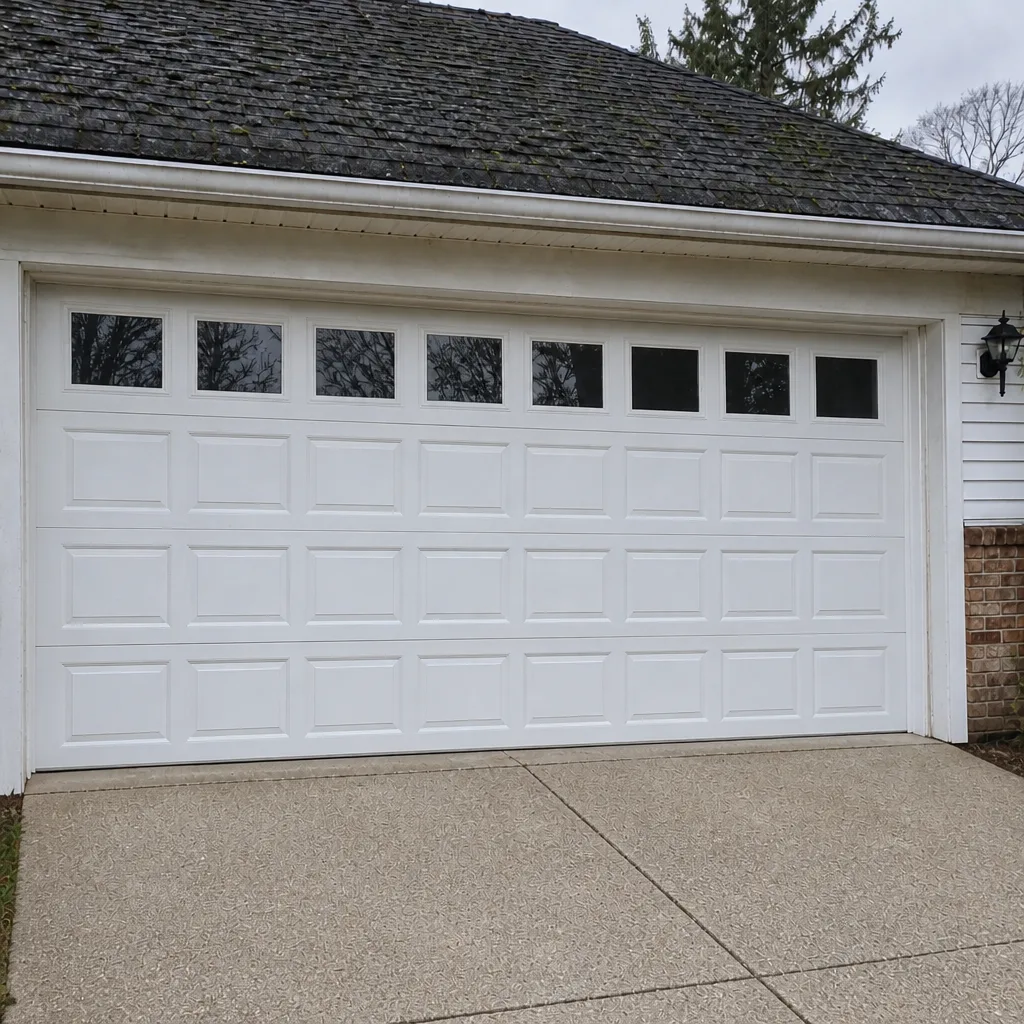
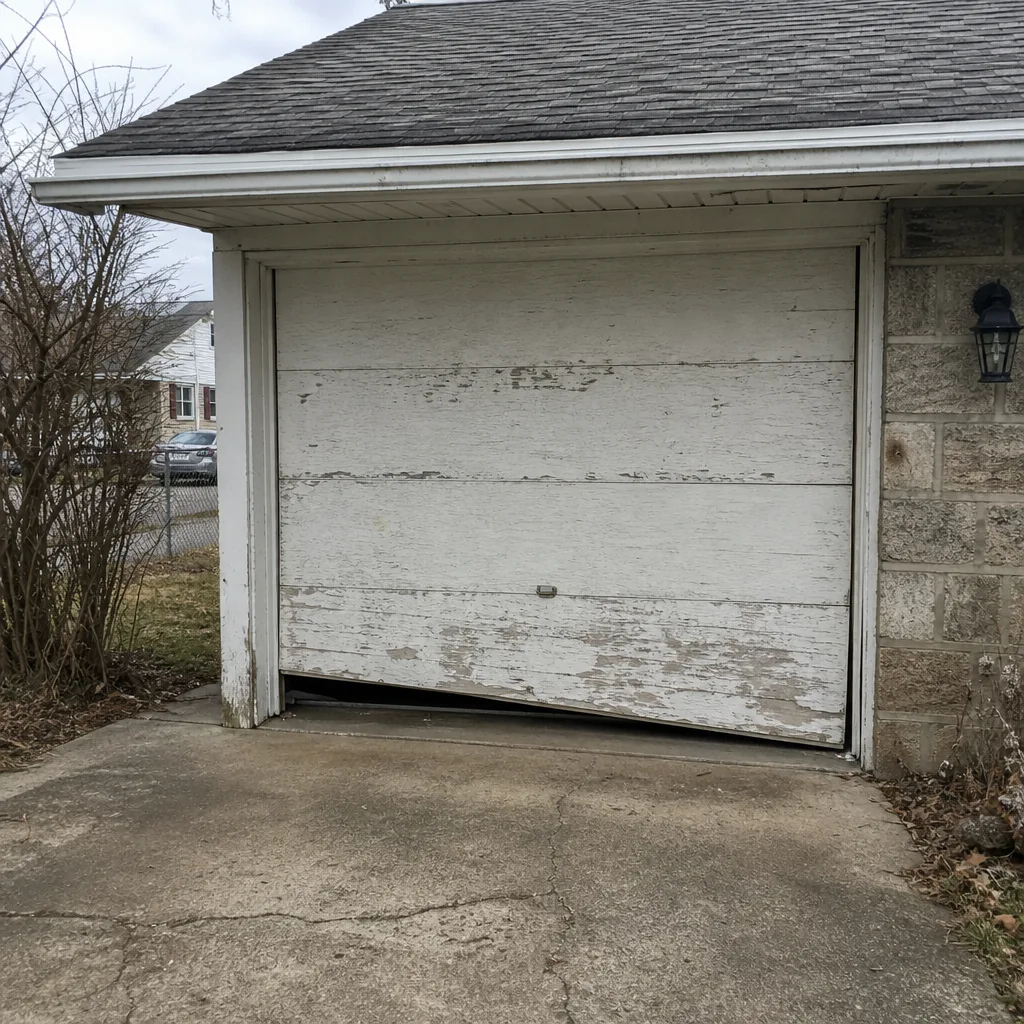
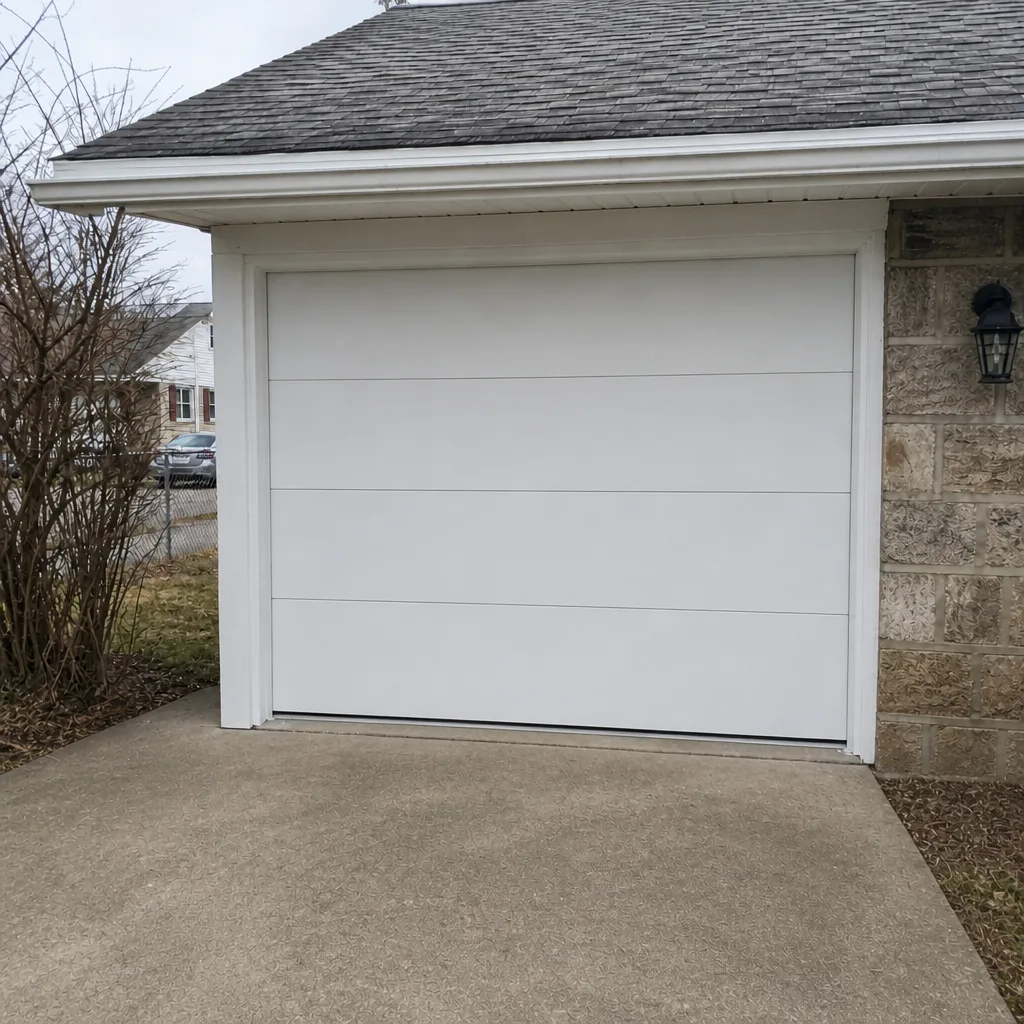
See the difference
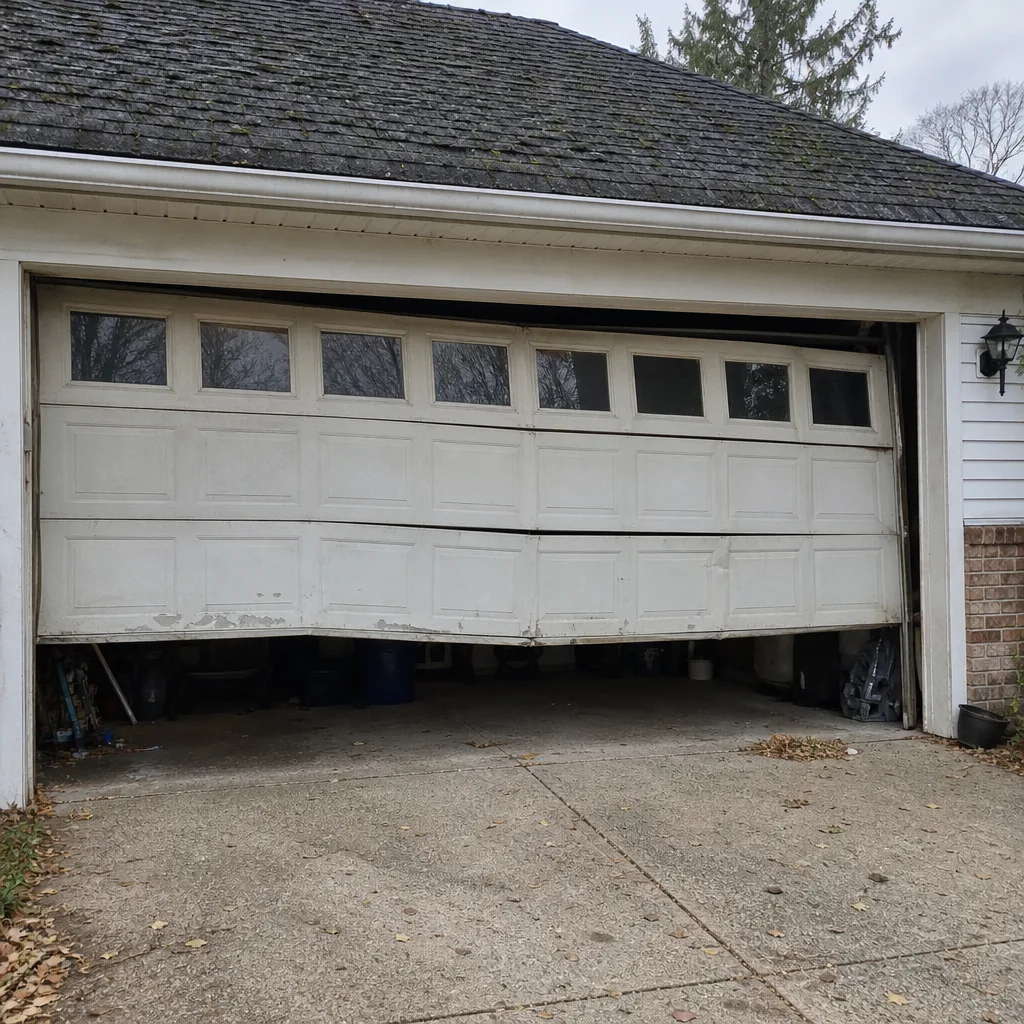 Before
 After
 Before
 After
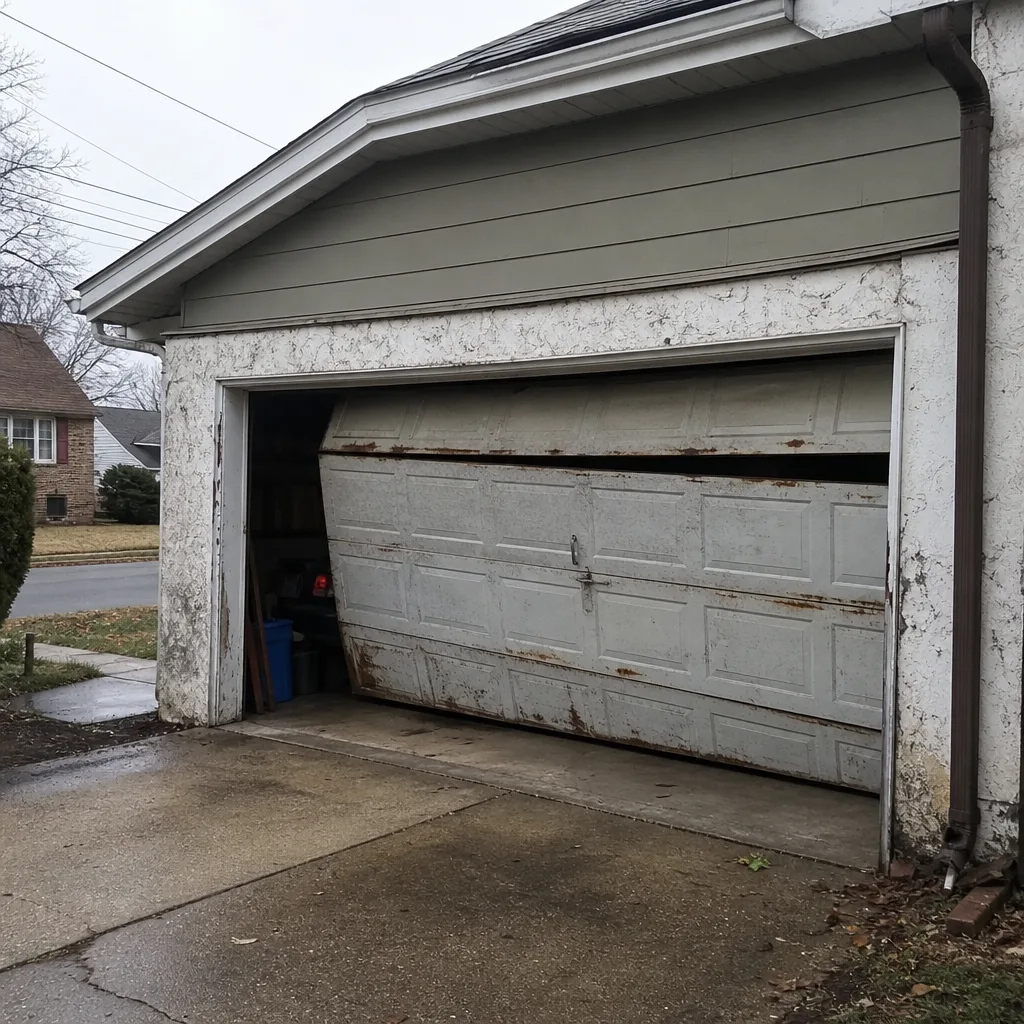 Before
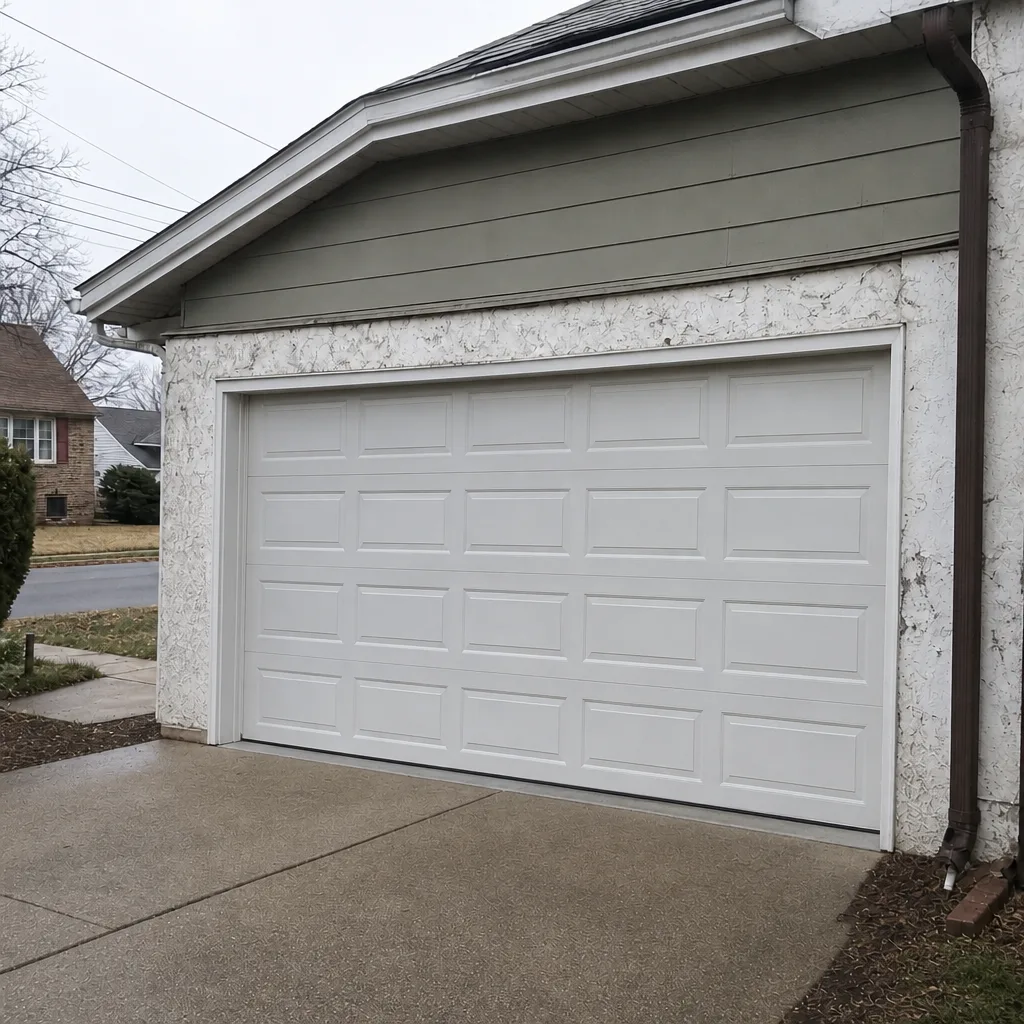 After
Frequently Asked Questions
No – torsion and extension spring work should always go to a trained professional, because the stored energy in a wound spring can release suddenly and cause serious injury. The correct wire gauge, the winding tools, and the exact number of turns all depend on the door’s weight and drum size. There’s no safe shortcut, and no tutorial changes the physics. If you need a spring looked at, call (844) 321-5685 for a free estimate.
Usually no. Springs are matched to share the door’s load, and when one snaps the other has been carrying the full weight and is likely fatigued too. Most jobs replace the pair together, which is why a pair costs roughly double a single spring. A professional will assess both before quoting.
If the opener runs (you hear the motor) but the door doesn’t move, or moves unevenly, the problem is almost always mechanical – spring, cable, or track. If the door moves freely by hand but the opener won’t start it, the issue is electrical or in the opener itself. That distinction is the first thing a technician checks. Call (844) 321-5685 for a free estimate if you’re not sure.
Only in specific ways. Programming a remote or replacing a seal won’t void anything, but drilling new holes in a panel, bending a track, or replacing a spring with the wrong gauge can affect a manufacturer’s warranty on the part you modified. If your door is still under a panel warranty, check before modifying structure.
Same-day service is available for most repairs, and emergency calls for a door that won’t move get priority. We answer 24/7. Fast dispatch from 7am to 7pm, Sunday through Friday; a call outside dispatch hours is booked into the next opening. Call (844) 321-5685 for a free estimate.
We’re certified to work on eight major brands: LiftMaster, Chamberlain, Genie, Clopay, Amarr, Wayne Dalton, Craftsman, and Raynor. That means we work on your exact system, not a generic version of it. If you know your opener or door brand, mention it when you call (844) 321-5685, and we’ll know what to expect before we arrive.
The Bottom Line
The DIY-versus-professional question for a garage door isn’t about whether you’re handy. It’s about which tasks involve stored mechanical energy and which ones don’t. Lubrication, weatherstripping, and opener programming are safe and worth doing yourself. Springs, cables, drums, and off-track repairs carry risk that skill can’t remove, and in Chester those jobs also run into heavy older doors, masonry walls, and tight headroom. When in doubt, a written estimate costs nothing and settles the question fast. Chester Garage Door Repair Pros is a single-trade garage door specialist with technicians who have up to 14 years of experience. Call (844) 321-5685 for a free estimate.
Written by the team at Chester Garage Door Repair Pros.