
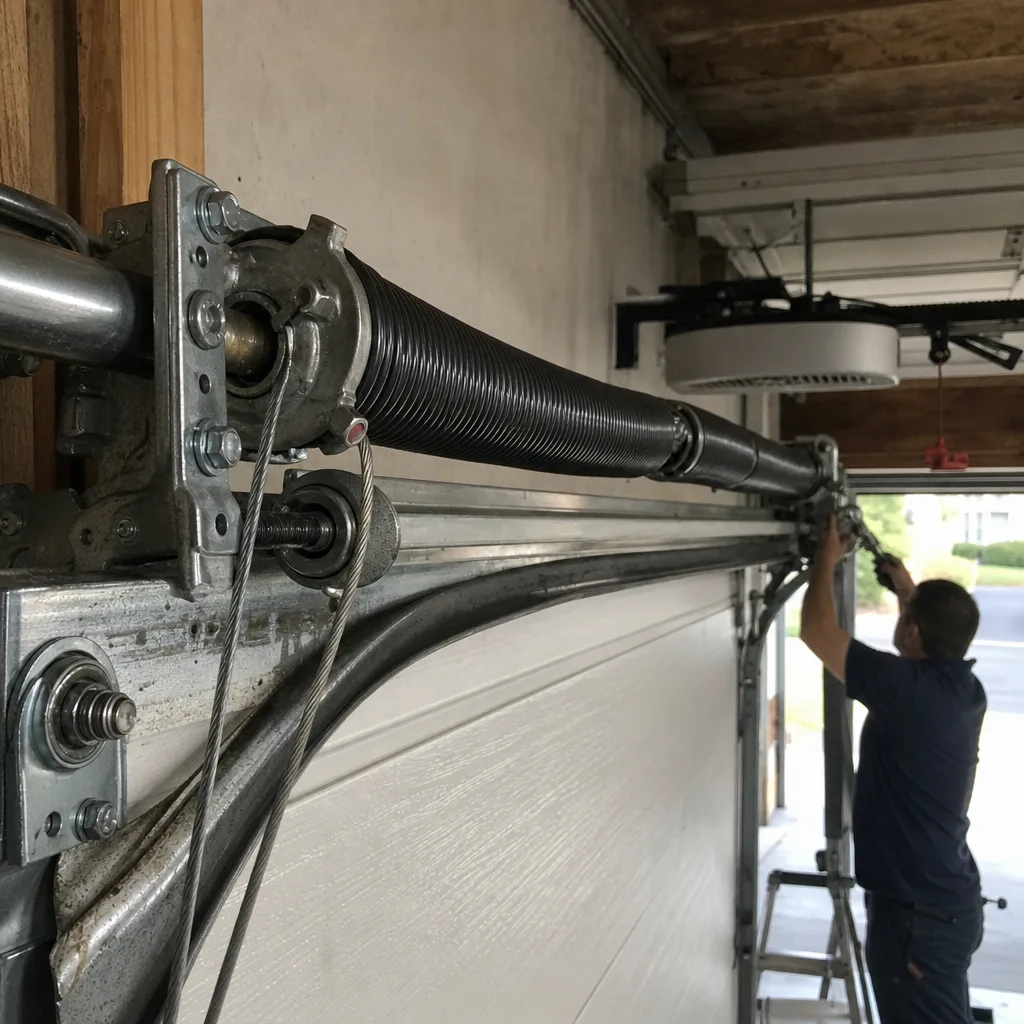
Last updated November 23, 2026
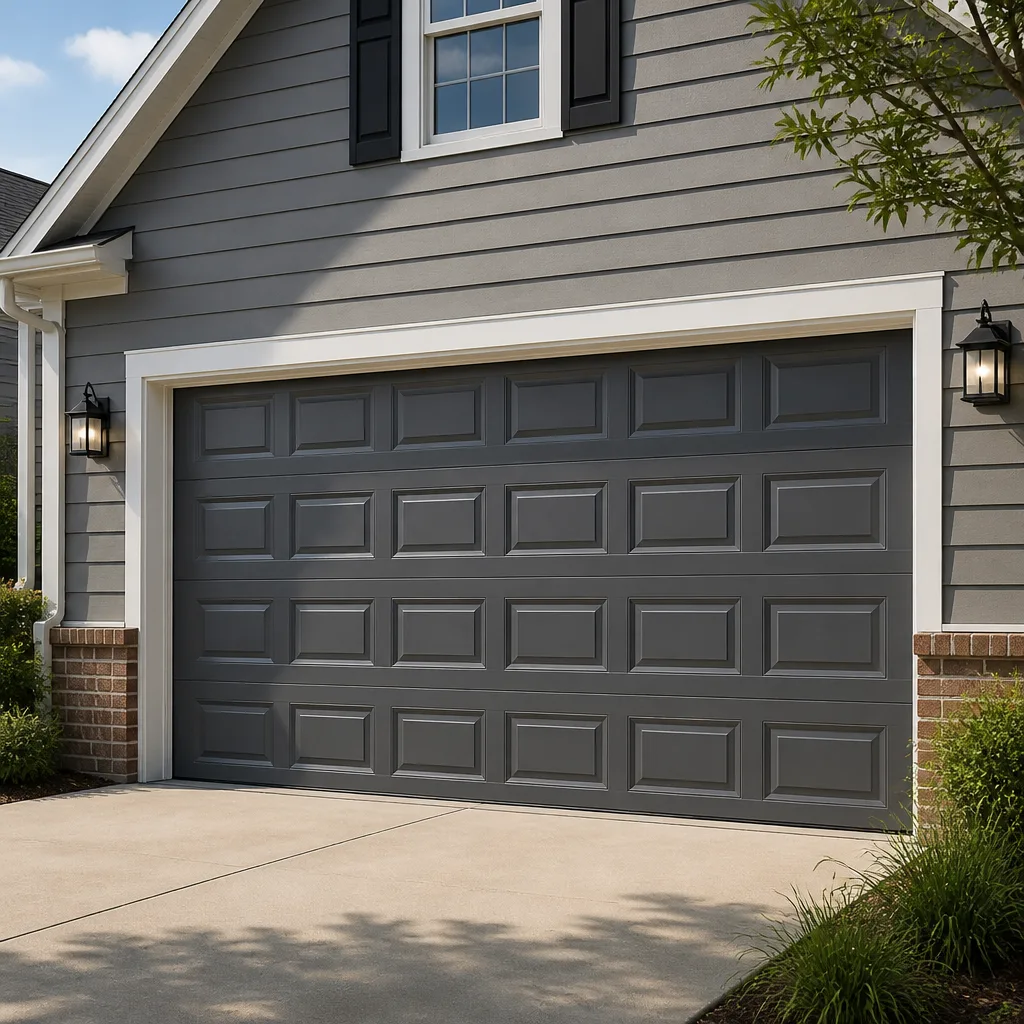 Raised-panel steel
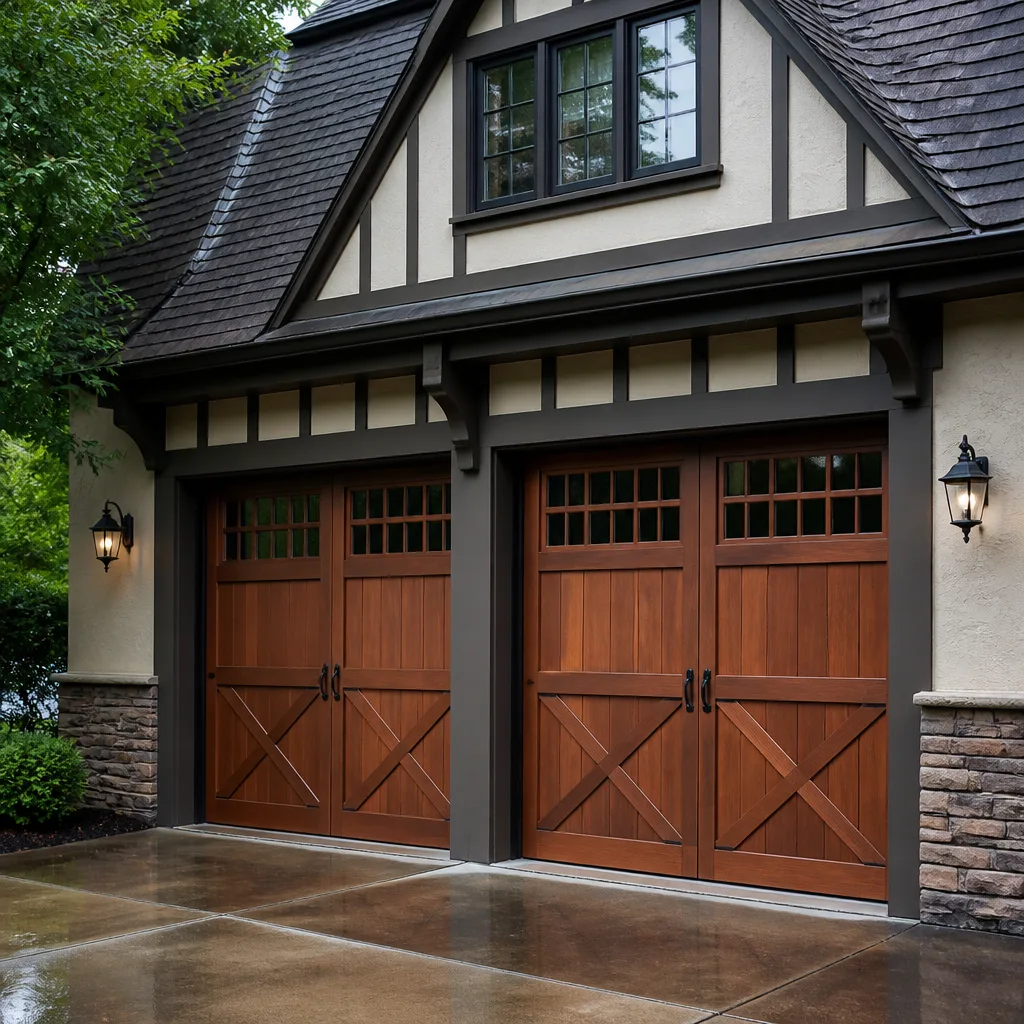 Carriage house
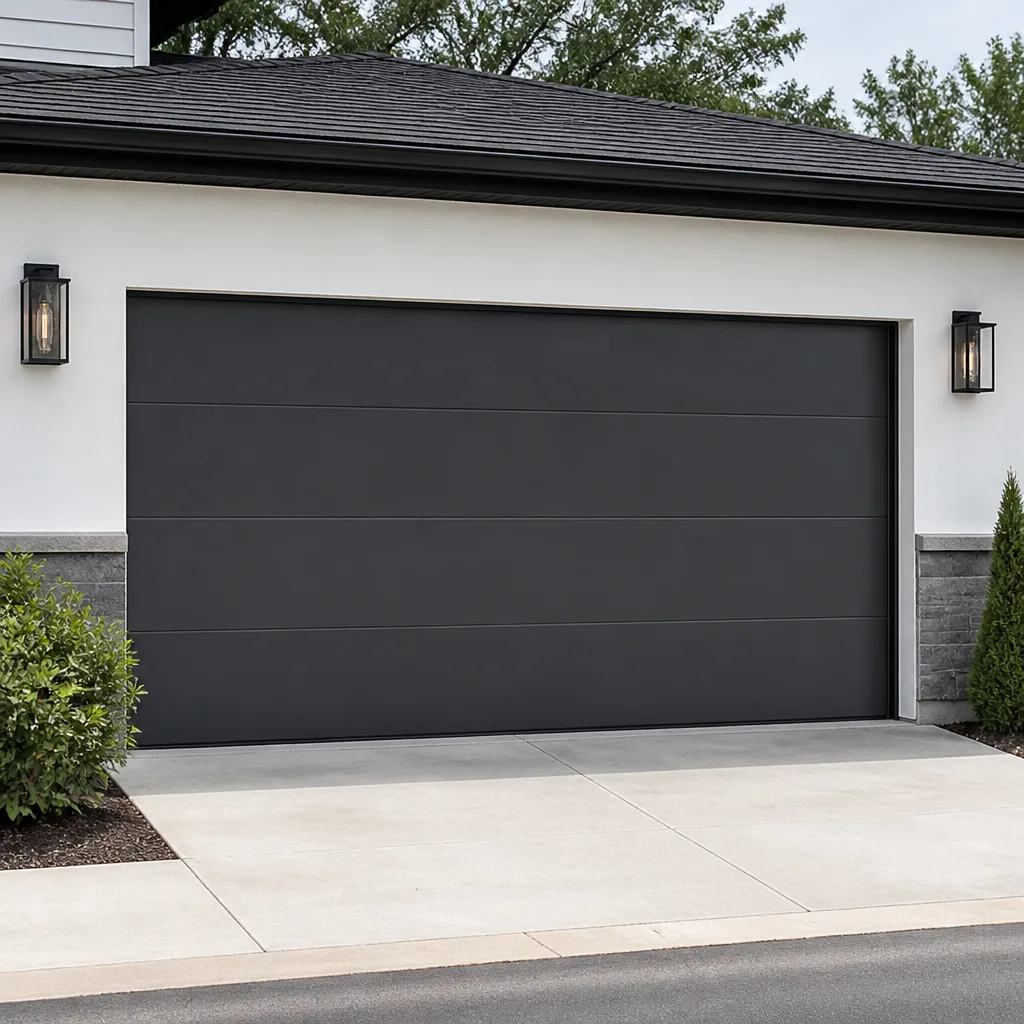 Modern flush
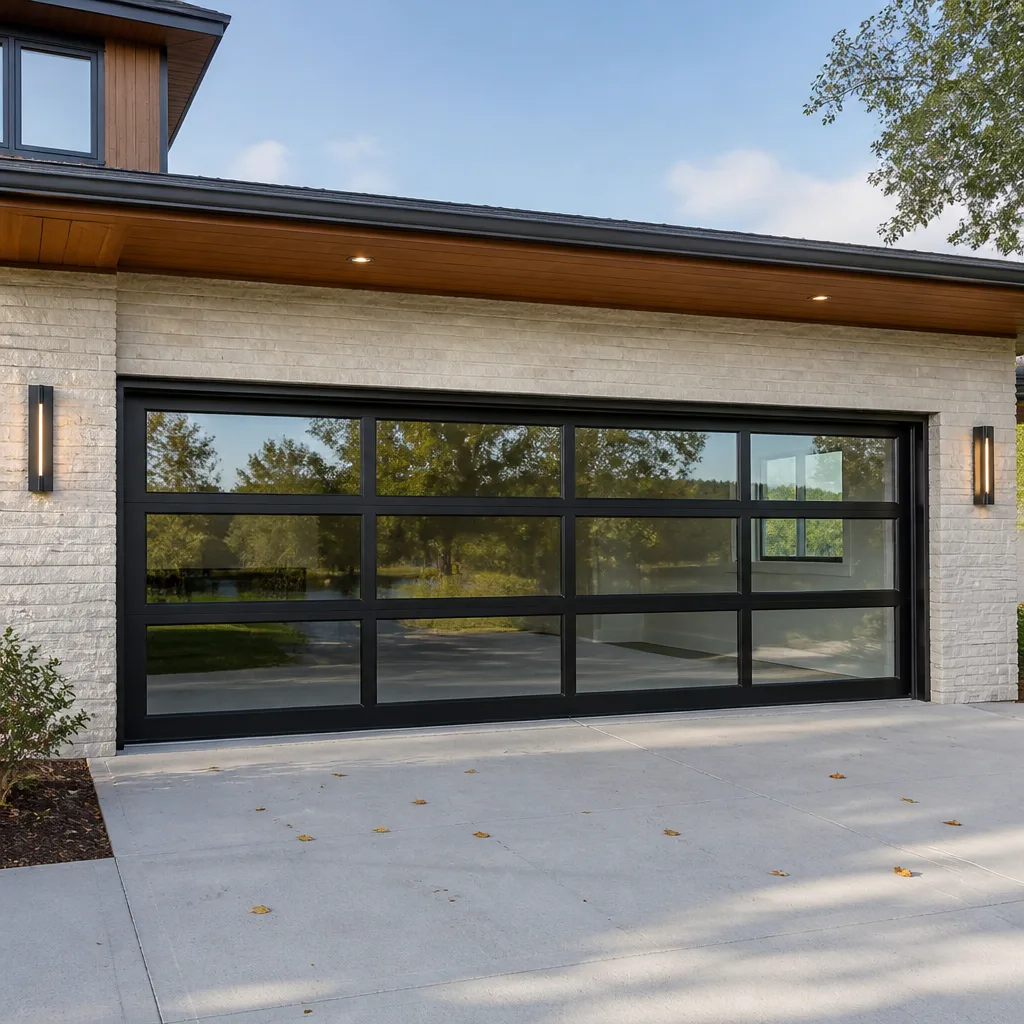 Full-view glass
 LiftMaster openers
 Chamberlain openers
Full 25-point door and opener safety check with every visit - springs, cables, rollers, tracks, and your LiftMaster or Chamberlain opener included
You get a price before we start. It does not change when the pro arrives.
Get your free estimateSeasonal Garage Door Care for Chester: Year-Round Homeowner’s Guide
The garage door problems Chester homeowners call about in January were almost all set in motion in October, when the lubricant from summer dried out and nobody noticed the bottom seal had cracked. That’s the counterintuitive part of living with a garage door in southeastern Pennsylvania: the failure you deal with in one season is usually a maintenance decision you skipped two seasons earlier. Chester’s freeze-thaw pattern, its humid summers, and the way its housing stock ages all push on a door in different ways through the year. This guide walks you through all four seasons, shows you which tasks batch into a single short session, and explains which ones you genuinely need to check twice. By the end you’ll have a calendar you can actually keep.
Quick Answer
Seasonal garage door care in Chester means matching maintenance to the season that’s coming, not the season you’re in: fall work (seal inspection, lubrication, balance testing) prevents winter failures, spring work prevents summer moisture damage, and summer work sets up a smooth winter. The single highest-value habit is an October check of the bottom seal and a re-lubrication before the first freeze – most January opener and spring problems trace back to those two skipped steps.
Styles & brands we work with
- Raised-panel steel
- Carriage house
- Modern flush
- Full-view glass
- LiftMaster openers
- Chamberlain openers
Table of Contents
- Why Seasonal Care Matters More in Chester
- Fall: Preventing the Winter Failure
- Winter: Freeze-Thaw and What It Does to Seals
- Spring: Catching What Winter Left Behind
- Summer: Humidity, Wood Panels, and Swelling
- The Spring and Opener Task Most Homeowners Skip
- Which Tasks Batch and Which Need Two Visits
- Common Mistakes to Avoid
Why Seasonal Care Matters More in Chester
A garage door is a mechanical system of springs, cables, rollers, hinges, and a motor that all assume the other parts are doing their job. When one part drifts – a seal flattens, a roller stiffens, a hinge dries out – the whole door compensates, and the compensation usually lands on the opener and the springs. In Chester, the compensation happens on a schedule set by the weather.
The key local fact is the freeze-thaw cycle. Chester doesn’t usually get one long deep freeze and then a thaw; it gets repeated cycles across a winter, often several in a single week. Every one of those cycles moves the rubber bottom seal between expanded and contracted, and stretches and relaxes the weatherstripping around the frame. That repeated movement is what wears a seal out, far more than cold alone. A door in a colder climate with a steadier deep freeze often has an easier winter on its seals than a Chester door does.
Summer adds a different stress. Chester’s humid stretches push moisture into wood door panels, swell the bottom section, and soften the gaskets around the perimeter. That moisture doesn’t just look bad; it changes the geometry the door has to travel through, which loads the opener and rollers differently in July than in April.
What this means for you is straightforward: the seasonal care that matters in Chester is the care timed to the transition, not the care prompted by a symptom. The door that’s making a new noise in February was probably telling you something in November. Our technicians have up to 14 years of experience, and the pattern is consistent – reactive repairs cluster in the weeks after a hard temperature swing, and preventive checks done before the swing keep those doors out of that cluster.
- Fall focus: seal condition, lubrication, balance, and spring inspection before the first freeze.
- Winter focus: watching for seal deformation and listening for opener strain.
- Spring focus: checking what the freeze-thaw cycles loosened and cleaning out the tracks.
- Summer focus: watching wood panels and gaskets for swelling and binding.
If your door is already past the preventive stage and needs hands-on service, our garage door repair page covers what a typical repair visit involves, and you can always reach us at (844) 321-5685. We answer 24/7. Fast dispatch from 7am to 7pm, Sunday through Friday.
Fall: Preventing the Winter Failure
Fall is the most valuable season for garage door maintenance in Chester, because it’s the last chance to fix something before repeated freeze-thaw cycles start pushing on it. Everything you do in October is really aimed at January. Here’s the sequence we’d recommend keeping.
- Inspect the bottom seal first. Look along the full length of the rubber seal at the bottom of the door for cracks, flattening, or gaps where daylight shows through. A seal that’s starting to crack in October will be split by February.
- Lubricate the moving parts. Hinges, rollers (the shafts, not the wheels), and the torsion spring coils take a light application of a garage-door-specific lubricant. Skip the tracks – those should stay dry and clean. This is the step most homeowners skip and it’s the one that protects the opener motor through winter.
- Test the balance. Disconnect the opener and lift the door halfway by hand. A balanced door should hold roughly where you let it go. A door that sinks or climbs wants to be seen before winter loads it harder.
- Check the safety reversal. Put a piece of wood in the door’s path and close it. The door should reverse. Test the photo-eye sensors too by standing in the beam.
- Look at the weatherstripping around the frame. The perimeter seal is what keeps the southwest wind from driving cold air and moisture into the gap between the door and the jamb.
- Clear the tracks. Pull anything that’s collected in the tracks – grit, spider webs, small debris – and wipe them down. Don’t lubricate them.
If you have a wood door – a Clopay or Amarr wood-look panel, for instance – this is also the season to check the paint or finish on the bottom section, since that’s the panel most exposed to splash and snow melt. Any bare wood in October will absorb moisture all winter.
That’s a genuinely short list, and most of it is inspection rather than repair. The trick to actually doing it is scheduling it once, in a morning, before the first real freeze. If fall has slipped past and you’re already hearing a new noise, the garage door opener repair page covers the symptoms that suggest the motor is the issue rather than the door, and a call to (844) 321-5685 gets a free estimate.
Winter: Freeze-Thaw and What It Does to Seals
Winter in Chester is better understood as a series of temperature swings than a single cold stretch. That pattern is what makes the local garage door experience different from what you’d expect from a colder-climate guide. A door that sits in one continuous freeze gets one set of stresses; a Chester door gets dozens.
Here’s what’s happening to the seal. The rubber bottom seal compresses against the floor when you close the door, then relaxes when you open it. Cold makes it stiffer. Every freeze-thaw cycle stiffens it, softens it, stiffens it again. The result is that a Chester seal often fails by cracking and splitting rather than wearing thin. The perimeter weatherstripping does something similar – it contracts in the cold and pulls slightly away from the jamb, then re-expands and re-seats when things warm up. Over a season, that back-and-forth loosens the seal’s hold.
The opener feels the winter too. Cold thickens the lubricant on the rollers and hinges, so the door takes more force to move. A motor that was barely keeping up in October is being asked for more in January, and that’s exactly the point in the year when opener failures spike. The spring task we describe later in this guide is the one that makes a measurable difference to the motor’s workload going into the winter.
What to check mid-winter:
- Daylight visible under the closed door, or a noticeable draft along the bottom.
- The door reversing or stopping on its own, which often signals the opener’s force limits being tripped by cold resistance.
- A grinding or scraping sound during the first foot of travel – usually a hardened roller.
- Frost or condensation on the inside of the bottom panel, which suggests the perimeter seal has pulled away.
- The door’s outer frame where ice can build up against the weatherstripping.
Don’t climb under a door whose springs or cables are suspect. Garage door springs and cables are under extreme tension and are genuinely dangerous to handle without training. If something looks wrong with them, or the door has stopped moving cleanly, an emergency call during a winter cold snap is a normal way to handle it. A stuck door with a car inside or an open garage on a cold night is why we offer emergency garage door service as a standing part of our work. Call (844) 321-5685. We answer 24/7. Fast dispatch from 7am to 7pm, Sunday through Friday.
Spring: Catching What Winter Left Behind
Spring is the season to walk the door’s full travel and check what the winter moved. The freeze-thaw cycles that stress seals also loosen fasteners, shift track alignment, and leave grit and salt-free debris in the tracks. Chester doesn’t salt its roads any more than anywhere else, but the winter does leave its mark in the form of loosened hardware and seals that have finished their season.
Spring checks that matter:
- Bolts and hinges: Walk the door’s interior and check that the hinge plates and roller brackets are still snug. A little play in October becomes a rattle in March.
- Track alignment: Look down the vertical tracks from a few feet back. They should be straight and parallel. A bump in the track will score a roller quickly.
- Cables: The two cables on a torsion system should be taut and seated in their drums. Loose cables are a safety issue, not a maintenance item – get them looked at.
- Bottom seal condition: If the seal made it through winter cracked, spring is the time to replace it before the humidity gets in.
- Photo-eye alignment: The safety sensors at the bottom of the track can drift. Realign them so the small indicator lights stay solid with the door closed.
Spring is also a good time to schedule a balance and safety test if you skipped it in the fall, since the door’s weight distribution changes slightly as the springs settle. And if your door is showing a pattern of small issues – a wobble here, a slow response there – spring is the right season to get a technician out to look at all of it at once, rather than four separate calls later. Our garage door repair service covers this kind of full walkthrough, and the estimate is free.
If you’re on the fence about a door that’s fifteen or more years old and showing multiple wear points at once, spring is also the season to consider a replacement rather than another repair cycle. Our Chester Garage Door Repair Pros homepage lays out our five core services, including full installation if a new door is the sensible answer.
Summer: Humidity, Wood Panels, and Swelling
Summer in Chester brings the humidity, and humidity goes after wood. A Clopay or Amarr wood door, or a steel door with a wood-look veneer, has panels that will absorb ambient moisture through any bare edge or failed finish. The bottom section takes the most abuse because it’s closest to splash, splash-back from the driveway, and any moisture wicking up from the concrete.
The question to answer in summer is whether swelling is cosmetic or structural. Here’s how to tell:
- Cosmetic: The swelling is at the surface – a raised grain, a slight waviness in the paint, or a bubble in the veneer that’s contained to a small area. The door still closes and seals the way it did in spring.
- Structural: The bottom section has grown enough to contact the frame or the floor differently than it did in spring. You notice the door dragging in the last foot of travel, the seal gap has changed, or the panel has visibly widened at the joints. This is the swelling that affects the door’s actual geometry.
For a wood door, the summer check is really about the finish. Any spot where the paint or stain has failed is a spot where moisture gets in, and a single failed edge can cause the sort of swelling that shows up in the next humid stretch. Walk the door in June and touch up anything bare. If you see white or yellow staining, that’s moisture wicking, and the door wants a technician rather than another coat of paint.
Genie and Wayne Dalton steel doors don’t swell, but their gaskets and bottom seals can soften in the heat and lose their seal against the floor. That’s the summer version of the winter seal problem – same component, opposite cause. If the door is letting in summer humidity at the bottom, the seal is the first thing to check. The garage door spring repair page covers the other major component that a soft bottom seal indirectly stresses, since a door that has to push harder against the floor loads the springs harder.
The Spring and Opener Task Most Homeowners Skip
The one task most homeowners skip that makes the biggest measurable difference to opener motor life through the following winter is a proper balance test combined with a fresh spring inspection. Most people equate spring maintenance with “does the door open and close?” – and as long as it does, they assume the springs are fine. That assumption is exactly what loads the motor.
Here’s the mechanism. Garage door springs are sized to carry the door’s weight. When a spring loses tension (which is gradual, not sudden), the opener has to fill the gap. That’s invisible in spring and summer because the motor has enough slack to cover it. In winter, when cold thickens the lubricant and increases the door’s resistance, the motor is asked to cover the gap plus the winter load. That’s the moment a slightly worn spring becomes a failing opener.
The task is straightforward:
- Disconnect the opener (pull the manual release cord with the door closed).
- Lift the door halfway by hand. Note how much effort it takes.
- Let go. A balanced door holds roughly where you released it. A door that sinks wants more spring tension; a door that rises has too much.
- Have the door looked at if it sinks or rises more than a few inches.
- If balance is correct, apply lubricant to the torsion spring coils (a light application along the length) to reduce friction and even the load distribution.
Do not adjust spring tension yourself. Torsion springs and the cables attached to them are under extreme stored energy, and a slip during a home adjustment can cause serious injury. This is the one seasonal task we always recommend handing to a trained technician. Our garage door spring repair service is a standard part of what we do because spring work is the deepest mechanical skill in this trade, and it’s the one with the highest stakes. If the balance test tells you something is off, call (844) 321-5685 for a free estimate. We work on the common residential spring systems and can tell you what the door needs before anyone touches it.
Which Tasks Batch and Which Need Two Visits
A lot of seasonal care guides pretend every check needs a separate appointment. It doesn’t. Some tasks genuinely batch into a single short session, and some need to be checked twice because the answer only appears after a temperature change. Here’s the split.
Batch into one 20-minute session:
- Visual inspection of the bottom seal, weatherstripping, and photo-eye alignment.
- Wiping down the tracks and clearing debris.
- Lubricating hinges, roller shafts, and spring coils.
- Safety reversal and photo-eye test.
- Quick visual of the outside frame and bottom section for finish failures.
Needs two visits before and after a temperature change:
- Bottom seal gap: Close the door on a warm day and again on a cold day. A seal that’s only leaking on one of those days is telling you about thermal movement, not just wear.
- Door travel smoothness: Watch the door travel in July and again in January. A door that’s smooth in one season and sluggish in the other is a load issue, not a mechanical fault, and it wants a technician’s read rather than a DIY fix.
- Wood door swelling: Measure the bottom section’s fit in the dry weeks and again after a humid stretch. If the fit changes, the swelling is structural and the finish needs attention.
- Opener force settings: Watch how the door behaves on a mild day and again on a cold day. If the force limits are tripping only in cold, that’s information you can only get from both visits.
The batched tasks belong in a single October block – before the first freeze, before the humidity builds. The two-visit checks belong at seasonal transitions: once around October and once around February, or once around June and once around August. If you’re going to do only one thing, do the October batch. If you’re going to do two things, add the post-winter check in February, because that’s when the freeze-thaw damage shows.
Common Mistakes to Avoid
- Skipping the fall seal inspection. A seal that’s just starting to crack in October is cheap to replace; the same seal broken through in February can mean a full emergency call. Fall is the last easy chance.
- Lubricating the tracks. Tracks are meant to be clean and dry. Lubricant in the tracks attracts grit, and the grit scores the rollers. Lubricate hinges and roller shafts, not the track itself.
- Adjusting spring tension at home. This is the most dangerous component on the door and the one with the most stored energy. Balance testing is fair game; adjusting the spring is not.
- Ignoring summer swelling on a wood door. Small surface swelling is cosmetic and can be fixed with finish. Structural swelling – the door fits differently in humid weather – needs to be checked before it compounds through the winter.
- Treating winter opener strain as normal. A motor that’s straining in cold weather is usually covering for a spring that has lost tension. It’s a maintenance signal, not a seasonal quirk.
- Assuming a single season covers all care. Chester’s freeze-thaw pattern means the autumn check happens once, and the post-winter check needs to happen too. A door that only gets a spring check misses what changed over the season.
- Mixing up symptoms. A door that reverses on its own is usually an opener issue, not a spring issue. A door that sinks when disconnected is a spring issue, not an opener issue. Reading the symptom before calling saves time.
See the difference
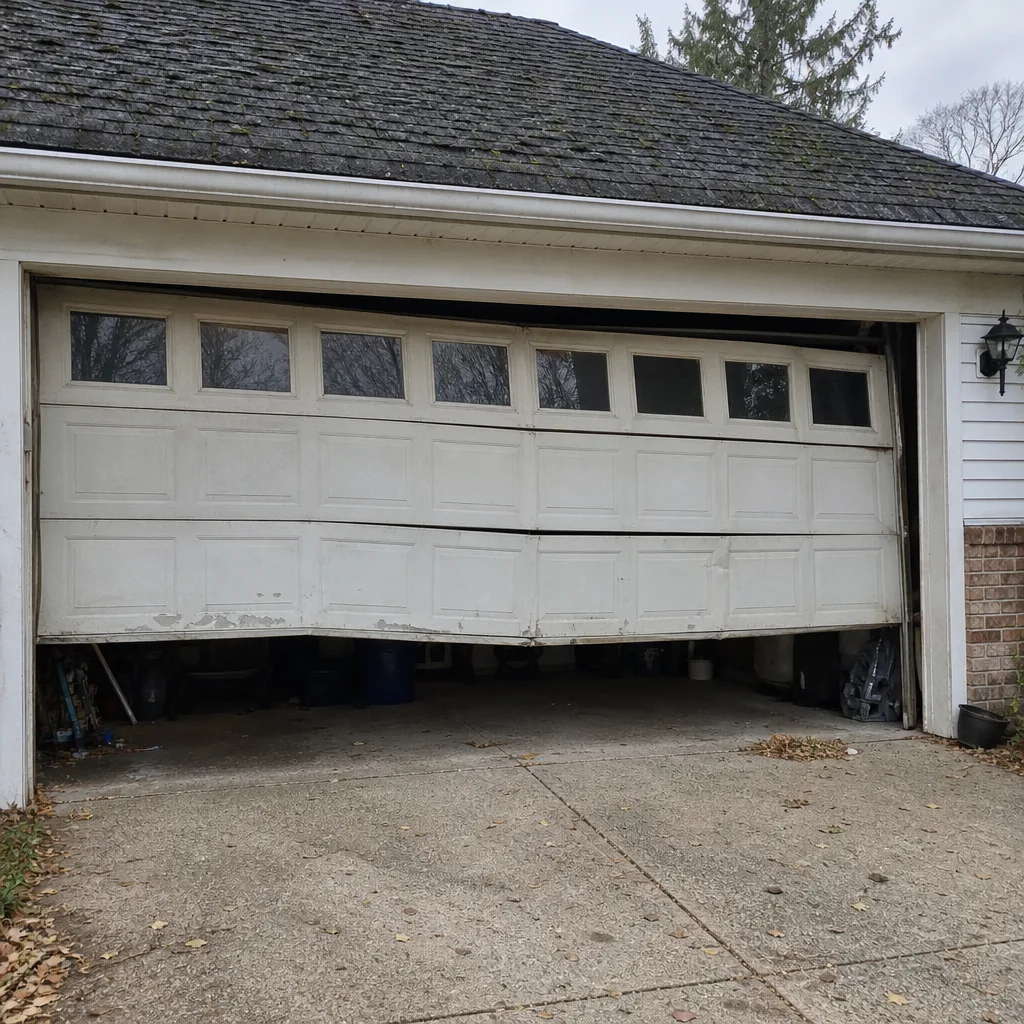 Before
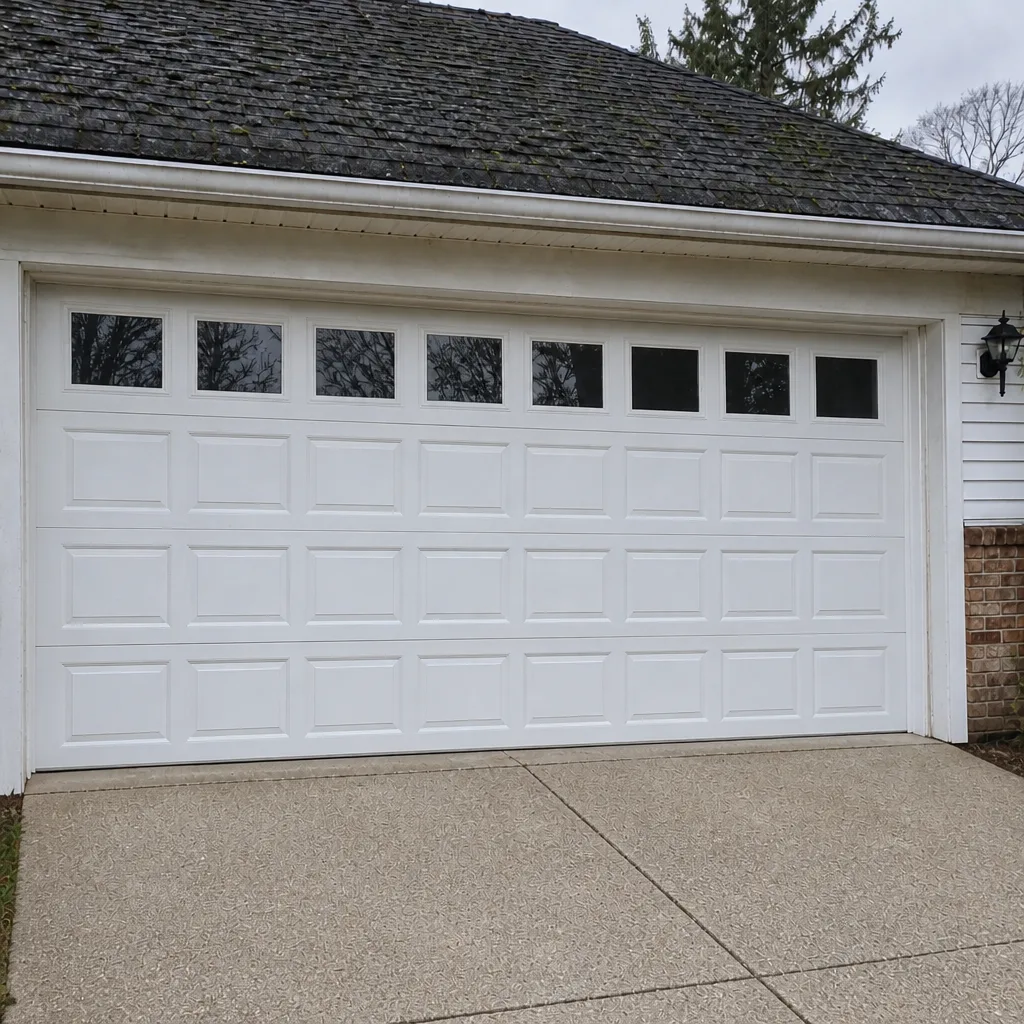 After
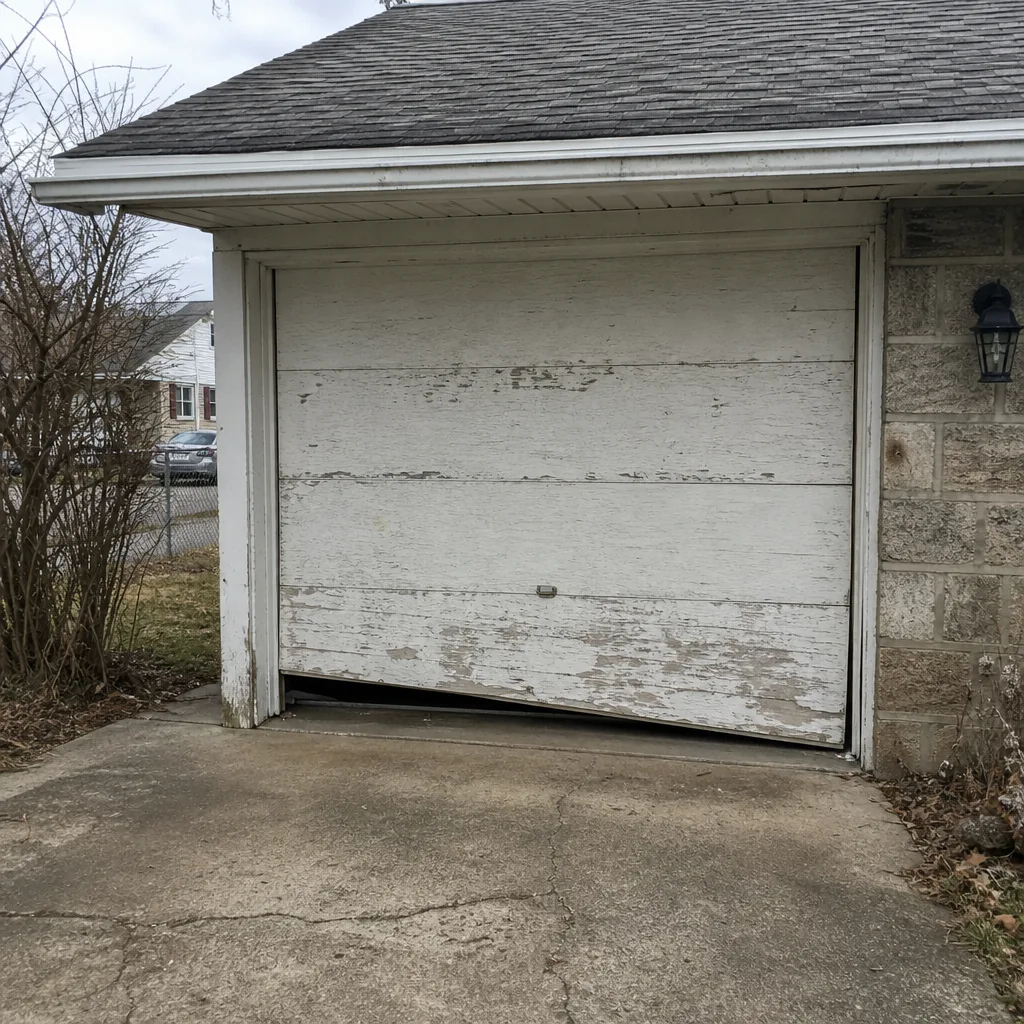 Before
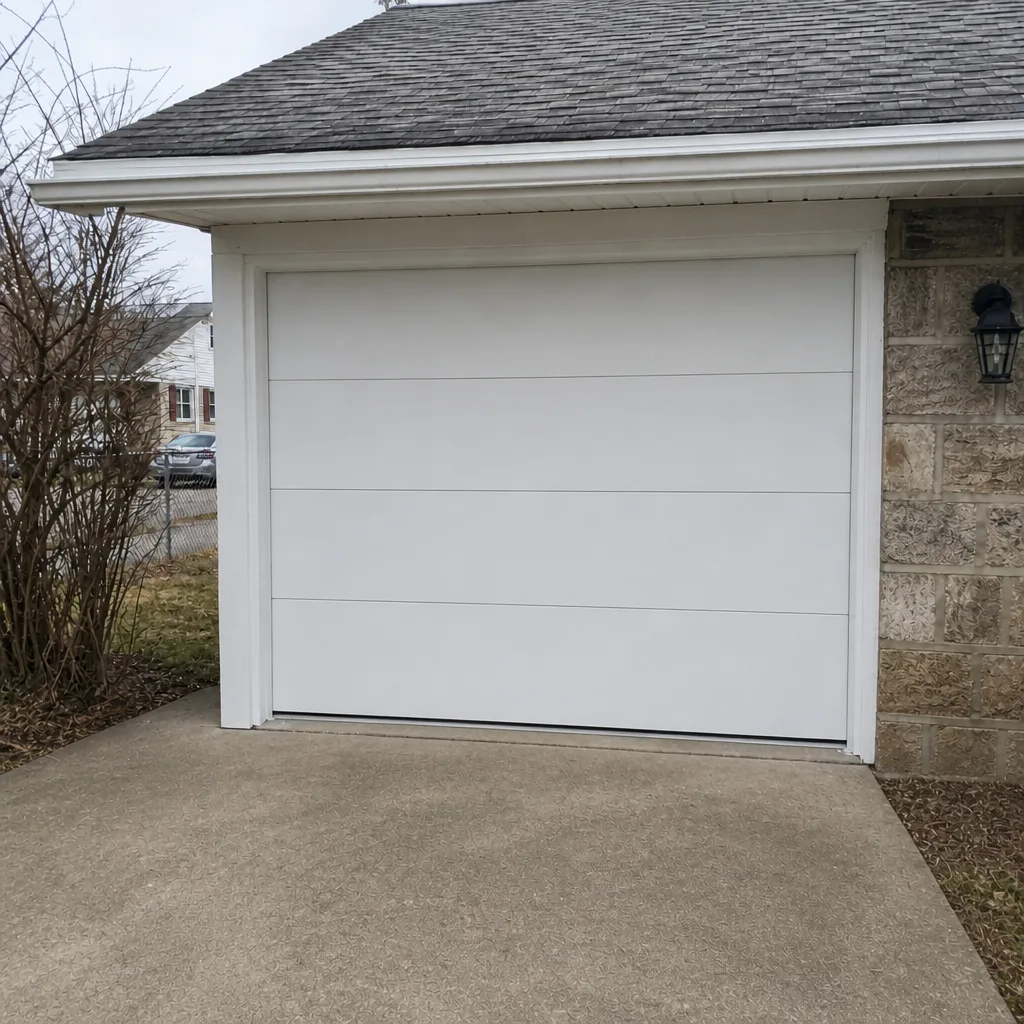 After
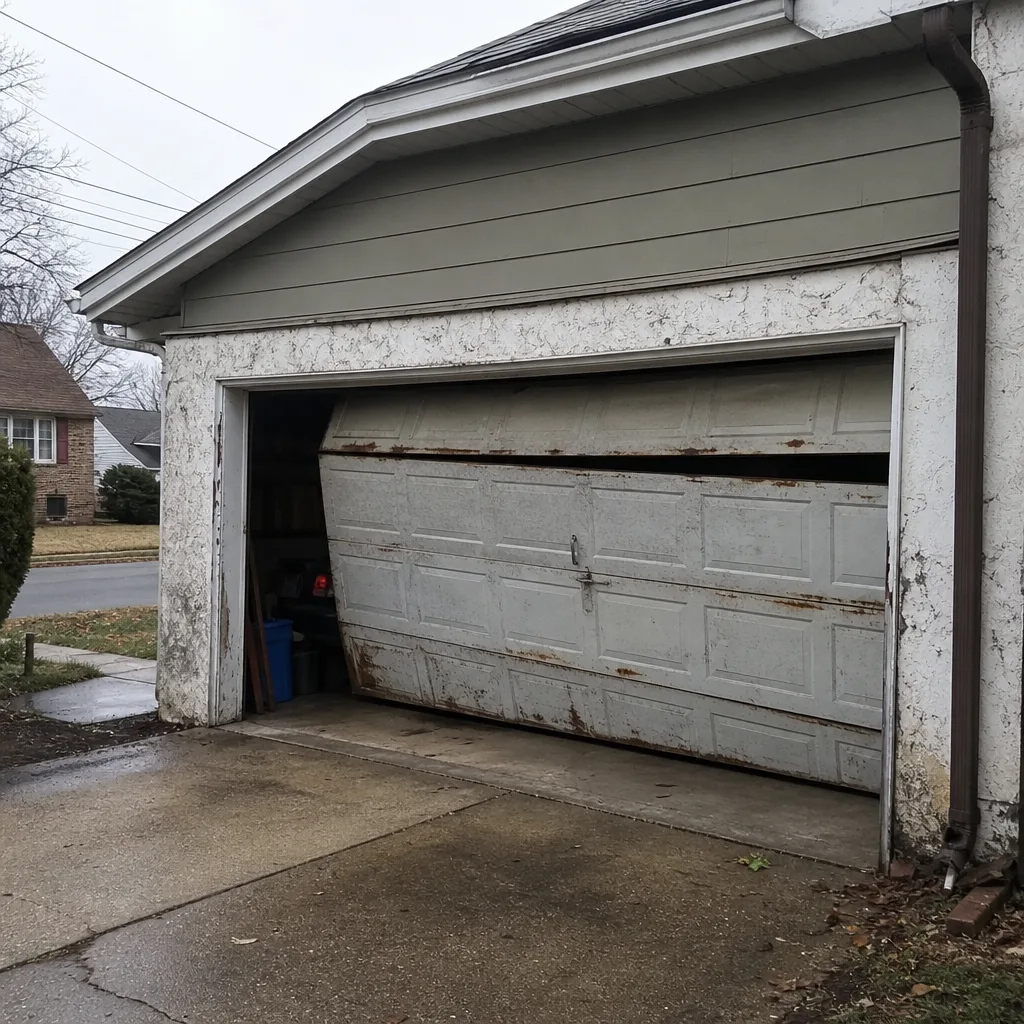 Before
 After
When to Call a Professional
Some of what we’ve described here is genuinely DIY: wiping tracks, applying lubricant, testing the safety reversal, and walking the door’s travel for visible issues. Some of it shouldn’t be. Call a professional when the door is failing balance (sinking or rising when you release it by hand), when the door reverses or stops on its own, when the bottom seal has cracked through and needs replacement, when a wood door is showing structural swelling, when a cable is loose or off its drum, or when the opener is straining after a balance test showed the door was fine. Spring and cable work should always go to a trained technician – the stored energy in a torsion system is not something to test yourself. Chester Garage Door Repair Pros offers free estimates in Chester. Our technicians have up to 14 years of experience, we work on LiftMaster, Chamberlain, Genie, Clopay, Amarr, Wayne Dalton, Craftsman, and Raynor equipment, and we offer emergency garage door service as a standing option. Call (844) 321-5685. We answer 24/7. Fast dispatch from 7am to 7pm, Sunday through Friday.
Frequently Asked Questions
Start with an October session before the first freeze. That’s the single most valuable schedule block, because it’s the last chance to inspect and replace a bottom seal and lubricate the moving parts before freeze-thaw cycles start working on them. Add a post-winter check in February to catch what the season loosened.
Spring repair is priced per job by a written estimate, and the estimate itself is free. Because a torsion system is a matched pair, most spring repairs replace both springs together, so the price reflects two springs rather than one. Call (844) 321-5685 for an exact quote on your door – estimates are free and the price is quoted and agreed before any work starts.
Same-day and emergency service are available for failing doors, including stuck doors with a car inside and doors that have stopped moving cleanly. We answer 24/7, and fast dispatch runs from 7am to 7pm, Sunday through Friday. A call outside those hours is booked into the next opening.
No. The written estimate is the price, and nothing gets billed above it without your agreement. If a technician finds something else while working, you get a new estimate and you decide before anything is done. The purpose of the free estimate is to make the price a known number before anyone touches the door.
The local garage door professional who works on your door is licensed and insured as their state requires, and our technicians have up to 14 years of experience. We work on the eight major brands – LiftMaster, Chamberlain, Genie, Clopay, Amarr, Wayne Dalton, Craftsman, and Raynor – so the technician arriving knows your system rather than learning it on the job. Call (844) 321-5685 to book an estimate.
If the door fits and seals the same way in humid weather as it did in dry weather, the swelling is cosmetic. If the door drags in the last foot of travel, the bottom section contacts the frame differently, or the joints have visibly widened in the humid stretch, the swelling is structural and needs a technician. Call (844) 321-5685 for a free estimate and get a specific read on your door.
Why Skip the Saturday Session
A lot of garage door guides assume the homeowner will knock out the fall check on a Saturday morning. In Chester, that’s the one day we’re closed. The practical effect is that seasonal care works best done as a scheduled weekday block or a Sunday morning – and if the door fails and the car is trapped, the call still comes through because we answer 24/7. A call outside dispatch hours is booked into the next opening, Sunday through Friday, 7am to 7pm. The door’s schedule doesn’t follow the calendar, and neither should your plan for it.
The Bottom Line
The four-season view is what makes garage door care in Chester different from a generic checklist. The freeze-thaw pattern that stresses your bottom seal in winter is the same pattern the fall maintenance was meant to protect against. The summer humidity that swells your wood panels is the same humidity the spring finish check was meant to guard. And the opener strain you hear in January was signaled in the fall by a balance test nobody ran. Read the seasons as a chain rather than four separate checklists, and the door stays out of the reactive-repair cycle. The October session is the one that pays the most. The February session is the one that saves the surprise.
When you want a technician on the door, Chester Garage Door Repair Pros is a garage door specialist – not a multi-trade company – and every service we offer is on your door, your opener, or your spring, from repair to full installation. We work on your brand. Call (844) 321-5685 for a free estimate. We answer 24/7. Fast dispatch from 7am to 7pm, Sunday through Friday. The written estimate is the price, it’s agreed before any work starts, and we can talk through the seasonal calendar for your door while we’re there.
Written by the team at Chester Garage Door Repair Pros.